Description
What Are Highway Noise Barrier?

Noise Barrier Highway Acoustic Barriers are specialized structures engineered to mitigate traffic noise along roadways and protect adjacent communities. These acoustic systems create physical obstacles between noise sources (vehicles, trucks, and highway traffic) and sensitive receivers (residential areas, schools, hospitals). By disrupting sound wave propagation, Highway Acoustic Barriers significantly reduce noise pollution, bringing levels below international limits such as EU directives.
The strategic placement of Noise Barrier systems along highways addresses one of modern urbanization’s most persistent challenges. Traffic noise not only disrupts daily life but also poses health risks with prolonged exposure. Effective Highway Acoustic Barriers transform noisy corridors into more livable environments.
How Highway Noise Barrier Systems Work
The fundamental principle behind Noise Barrier Highway Acoustic Barriers involves creating an acoustic “shadow zone.” The barrier interrupts the direct path of sound waves from vehicles to receivers. Two primary mechanisms achieve noise reduction:
Reflective Barriers redirect sound energy back toward the source using dense materials.
Absorptive Barriers incorporate porous surfaces that capture and dissipate sound wave energy.
Three critical parameters determine the effectiveness of Highway Acoustic Barriers: height above the line of sight, material surface density, and barrier geometry. Proper design considers these factors alongside specific highway conditions like traffic volume, vehicle types, and terrain.
Key Materials for Highway Noise Barrier Construction
Steel Noise Barrier for Highways
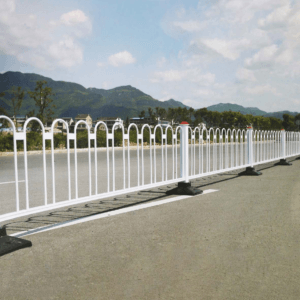
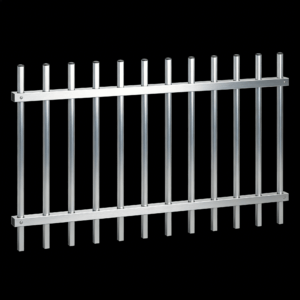
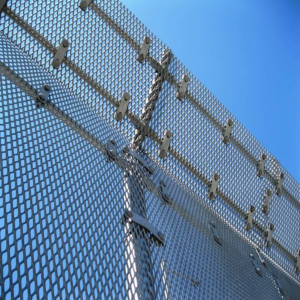
Steel Highway Acoustic Barriers provide exceptional durability for high-traffic environments. Their structural strength withstands environmental stresses while offering reliable noise attenuation. Manufacturers apply advanced galvanization and coating technologies to ensure corrosion resistance. Perforated steel panels can enhance acoustic absorption, making these Noise Barrier systems versatile for various highway applications.
Aluminum Noise Barrier Solutions
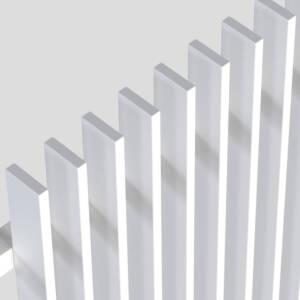
Aluminum Highway Acoustic Barriers combine lightweight construction with long-term performance. Their reduced weight minimizes structural loading on bridges and overpasses while maintaining acoustic effectiveness. Natural corrosion resistance and protective treatments ensure these Noise Barrier systems require minimal maintenance throughout their service life.
Advanced Composite Noise Barriers
Combine multiple materials (e.g., sound-absorbing cores, composite skins) for optimized noise reduction. High strength-to-weight ratio, customizable performance, and aesthetic flexibility. Used in urban renewal projects, transportation hubs, and mixed-use developments.
Yente High-Performance Highway Noise Barriers
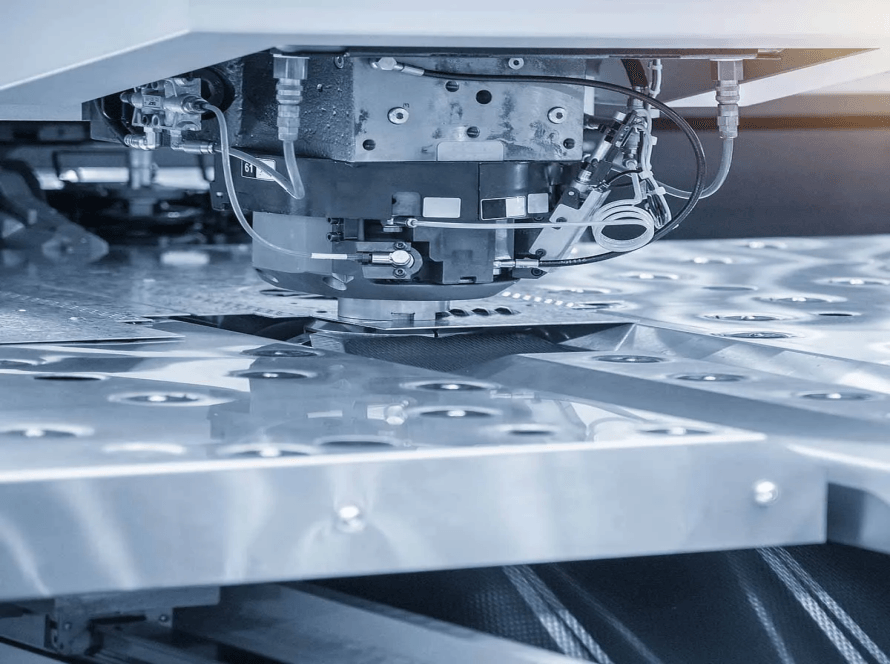
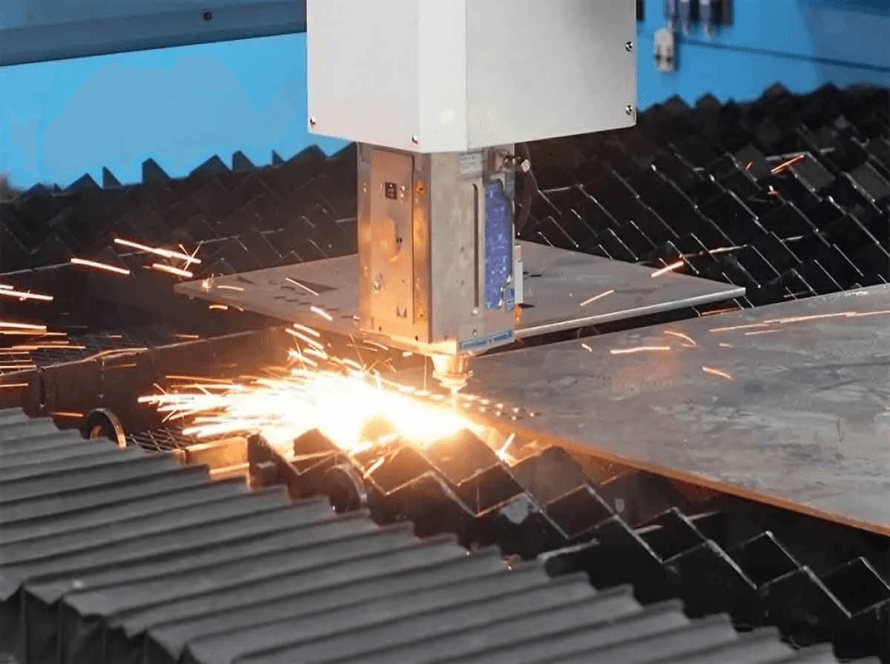
Yente designs Highway Acoustic Barriers that exceed standard performance requirements. Our engineering approach integrates advanced acoustic materials with durable construction systems. We develop Noise Barrier solutions specifically for highway applications, considering factors like traffic patterns, weather conditions, and long-term maintenance needs.
Our Highway Acoustic Barriers incorporate several innovative features:
Modular designs allowing rapid installation and future modifications
Integrated drainage systems preventing water accumulation
UV-resistant surfaces maintaining appearance and performance
Recycled material content supporting sustainability goals
Yente Noise Barrier systems comply with international standards including EN 1793 for acoustic performance and EN 14388 for highway applications. We conduct rigorous testing to ensure our Highway Acoustic Barriers withstand environmental challenges while delivering consistent noise reduction.
Installation and Maintenance Considerations
Proper installation maximizes the effectiveness of Noise Barrier Highway Acoustic Barriers. Key implementation factors include:
- Foundation Requirements: Different barrier types need specific foundation solutions based on soil conditions and seismic factors.
- Structural Integration: Highway Acoustic Barriers must integrate with existing infrastructure like bridges, retaining walls, and overpasses.
- Safety Features: Crash-tested designs protect both motorists and barrier integrity in collision scenarios.
- Accessibility: Maintenance access points ensure long-term serviceability of Noise Barrier systems.
Benefits of Highway Acoustic Barrier Implementation
Installing Noise Barrier Highway Acoustic Barriers generates multiple community advantages:
- Health Improvements: Reduced noise exposure decreases stress-related conditions and sleep disturbances.
- Property Value Enhancement: Effective noise control increases adjacent property values and development potential.
- Environmental Compliance: Highway Acoustic Barriers help transportation projects meet regulatory noise requirements.
- Community Satisfaction: Residents experience improved quality of life with reduced traffic noise intrusion.
Frequently Asked Questions
What noise reduction can Highway Acoustic Barriers achieve?
Properly designed Noise Barrier systems typically reduce highway noise by 5-15 decibels, which represents approximately 50-75% perceived noise reduction. Actual performance depends on barrier height, distance from source, and material selection.
How long do Highway Noise Barriers last?
Quality Highway Acoustic Barriers maintain performance for 25-40 years with minimal maintenance. Material selection significantly influences longevity—aluminum and steel systems often exceed 30 years, while properly installed concrete barriers can last 40+ years.
Do Noise Barriers block all highway noise?
While Highway Acoustic Barriers significantly reduce noise, they cannot eliminate all sound. Some noise diffuses over barriers, reflects from other surfaces, or transmits through openings. Effective design minimizes these limitations.
What factors determine Highway Acoustic Barrier height?
Barrier height depends on source-receiver geometry, desired noise reduction, and site constraints. Engineers typically position barriers as close to the noise source as possible to maximize the acoustic shadow zone.
Can existing highways retrofit Noise Barrier systems?
Most highways can accommodate Noise Barrier retrofits with proper engineering assessment. Factors include available right-of-way, foundation conditions, and structural compatibility with existing infrastructure.
Do Noise Barriers require regular maintenance?
Quality Highway Acoustic Barriers need minimal maintenance—primarily periodic inspections and cleaning. Drainage systems require occasional verification, and structural components need inspection after extreme weather events.
How do transparent Noise Barriers maintain effectiveness?
Modern transparent Highway Acoustic Barriers use laminated glass with acoustic interlayers that dampen sound vibrations. While slightly less efficient than opaque materials, they provide significant noise reduction while preserving visibility.
Conclusion
Noise Barrier Highway Acoustic Barriers represent essential infrastructure for managing traffic noise impacts. These systems protect communities while supporting transportation development. Modern materials and engineering approaches enable customized solutions for diverse highway environments. Effective Highway Acoustic Barriers balance acoustic performance, structural integrity, aesthetic considerations, and long-term sustainability—creating quieter, healthier environments alongside vital transportation corridors.
Selecting appropriate Noise Barrier systems requires professional assessment of specific highway conditions, noise characteristics, and community needs. With proper design and installation, Highway Acoustic Barriers deliver decades of effective noise control, improving quality of life for adjacent residents while supporting transportation infrastructure development.


Reviews
There are no reviews yet.