
Description
Farm Poultry Wire Mesh Overview
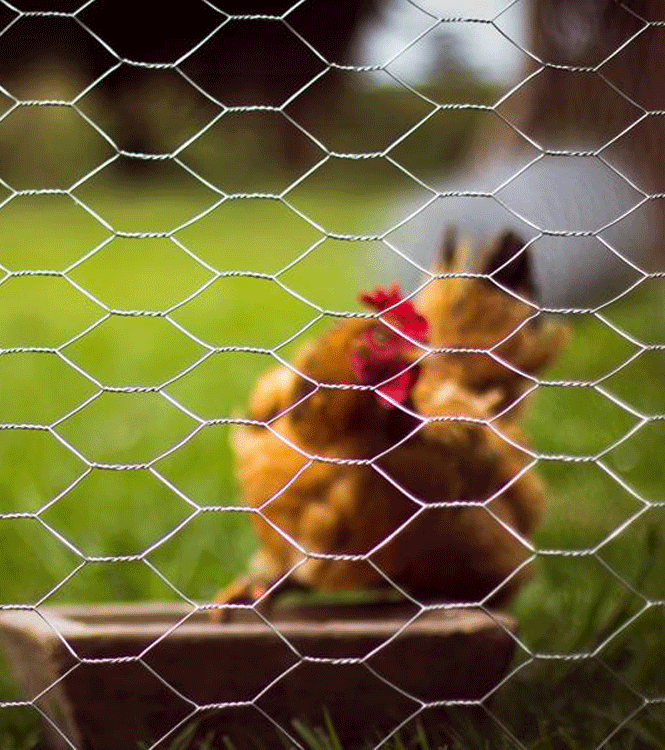
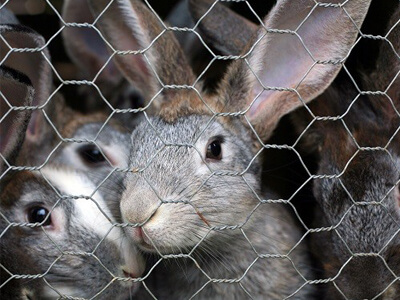
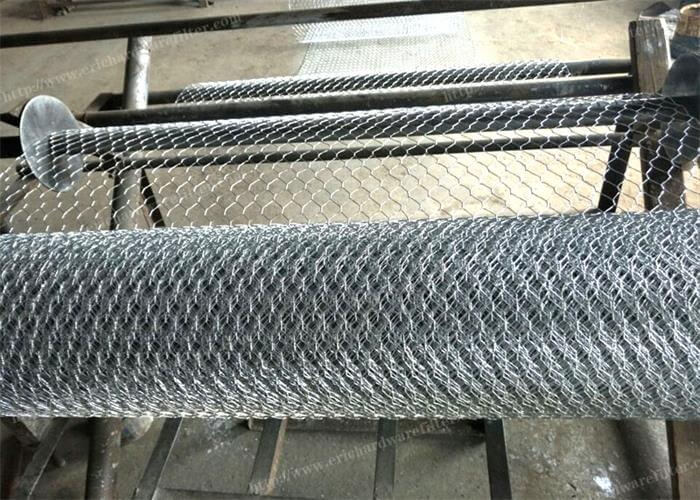
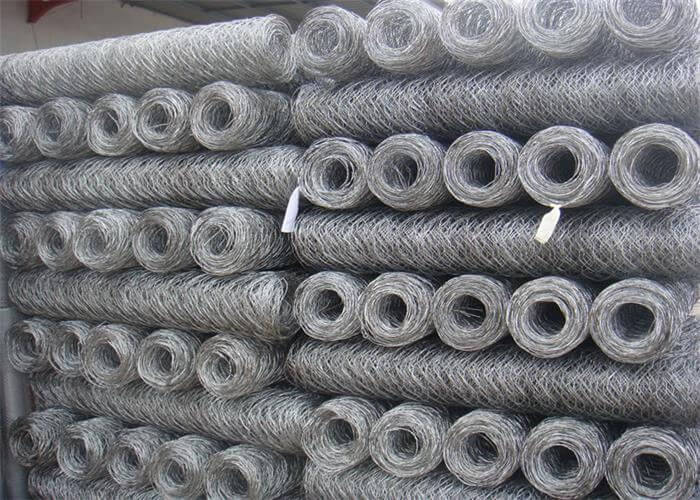
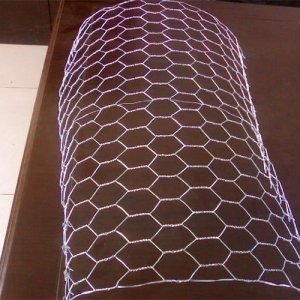
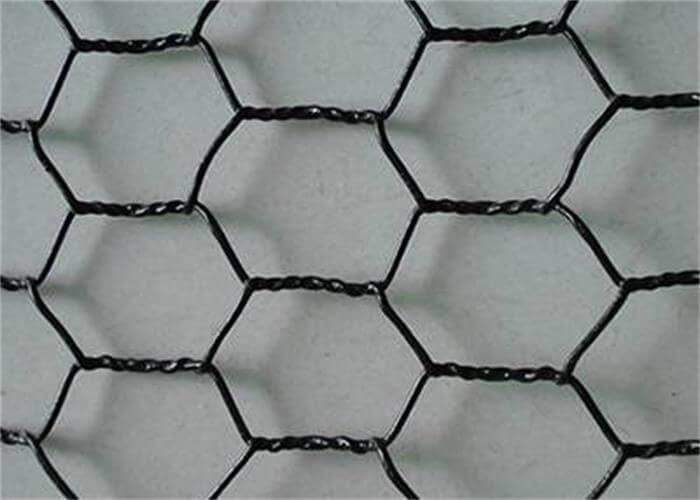
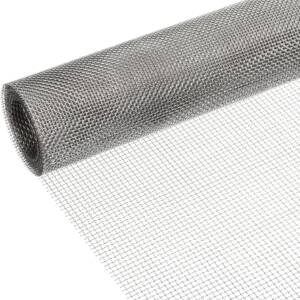
Farm poultry wire mesh, commonly known as chicken wire, is a flexible, woven wire fencing with hexagonal holes, usually made from galvanized or PVC-coated steel, used for creating coops, runs, and barriers to contain poultry while keeping predators out, offering ventilation, and providing durability. Key features include its honeycomb structure, resistance to corrosion, various mesh sizes (like 1-inch or 1/2-inch) and gauges (thicknesses), and options for different finishes like green coating for better aesthetics and protection.
Key Features & Types Of Farm Poultry Wire Mesh
- Material: Primarily galvanized steel (hot-dipped for longevity) or low-carbon steel, sometimes with a PVC coating.
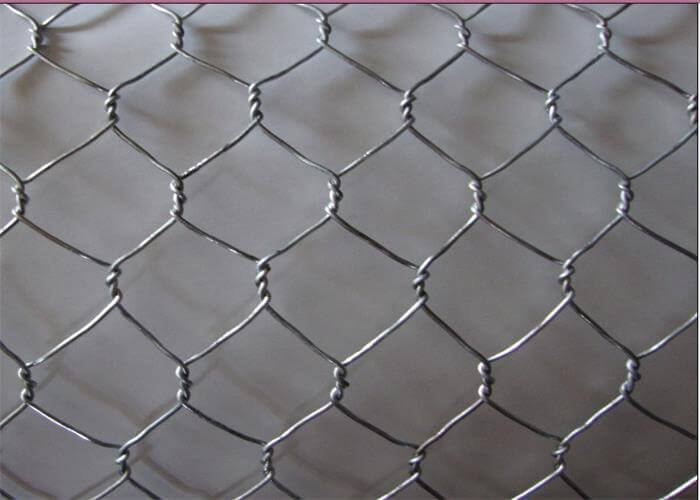
- Weave: Formed by twisting adjacent wires at least four times, creating strong hexagonal cells.
- Mesh Size: Common sizes include 1/2 inch (12.5mm) for small animals and 1-2 inches, with smaller holes better for predator prevention.
- Gauge: Thinner gauges (19-22) are common for flexibility, while heavier gauges offer more strength.
- Finish: Available in bright galvanized, green coated, or other colors.
Specifications Of Chicken Wire
Material: Galvanized steel wire / low carbon steel wire.
Hole shape: Hexagonal.
Wire gauge: 0.5 mm- 4 mm.
Opening size: 3/8″- 2″(inch).
Delivery Time: 10-18 days.
Uses in Poultry Farming
1. Secure Coops & Runs
The primary function of Farm Poultry Wire Mesh is the construction of robust enclosures. For permanent coops, utilizing a heavy-duty mesh ensures that birds remain confined to designated areas. While traditional hexagonal Chicken Wire is excellent for creating expansive, ventilated outdoor runs, it is best used for containment. For the coop’s “sleeping” quarters, builders often opt for a smaller, welded mesh to ensure structural integrity against the weight of climbing birds or environmental debris.
2. Advanced Predator Protection
Safety is the most critical factor in poultry management. Standard chicken wire is effective at keeping chickens in. However, determined predators can often break through the thin-gauge wire.
- Small Pest Exclusion: Using a fine-gauge Farm Poultry Wire Mesh (such as 1/4 inch or 1/2 inch) is vital for blocking entry to smaller threats like rats, weasels, and snakes that target eggs and chicks.
- Burrowing Deterrence: To prevent predators from digging under the enclosure, it is a 2026 industry standard to bury the mesh at least 12 inches into the ground or create a “skirt” that extends outward along the perimeter.
3. Integrated Crop Protection
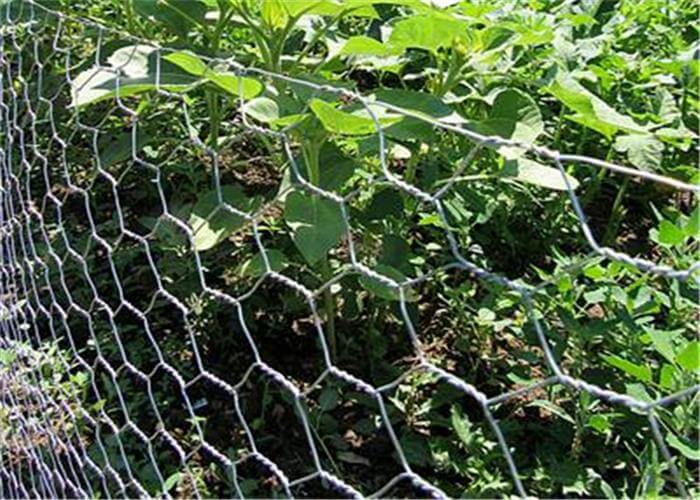
Poultry are natural foragers, but they can be destructive to vegetable patches and flower beds. Chicken Wire serves as a lightweight, cost-effective barrier to shield gardens.
- Garden Fencing: It can be used to create temporary or permanent perimeter fences to keep foraging birds away from delicate seedlings.
- Poultry Tunnels: Many modern farms use Farm Poultry Wire Mesh to create “chunnels” (chicken tunnels) that allow birds to move through specific parts of the garden for pest control while keeping them physically separated from the crops.
4. Unmatched Flexibility & DIY Ease
One of the reasons Chicken Wire remains a staple on farms is its high degree of flexibility.
- Custom Shaping: It is incredibly easy to cut with standard wire snips and can be molded around irregular posts, trees, or corners.
- Ease of Installation: Because it is lightweight, Farm Poultry Wire Mesh can be installed by a single person using simple U-nails or zip ties.
Choosing the Right Farm Poultry Wire Mesh
- For small predators (rats, snakes): Opt for smaller mesh sizes like 1/2 inch (12.5mm).
- For containing chickens: 1-inch or 2-inch mesh is common and allows good airflow.
- For durability: Hot-dipped galvanized or PVC-coated wire offers better rust resistance and longer life.

Reviews
There are no reviews yet.