
Keterangan
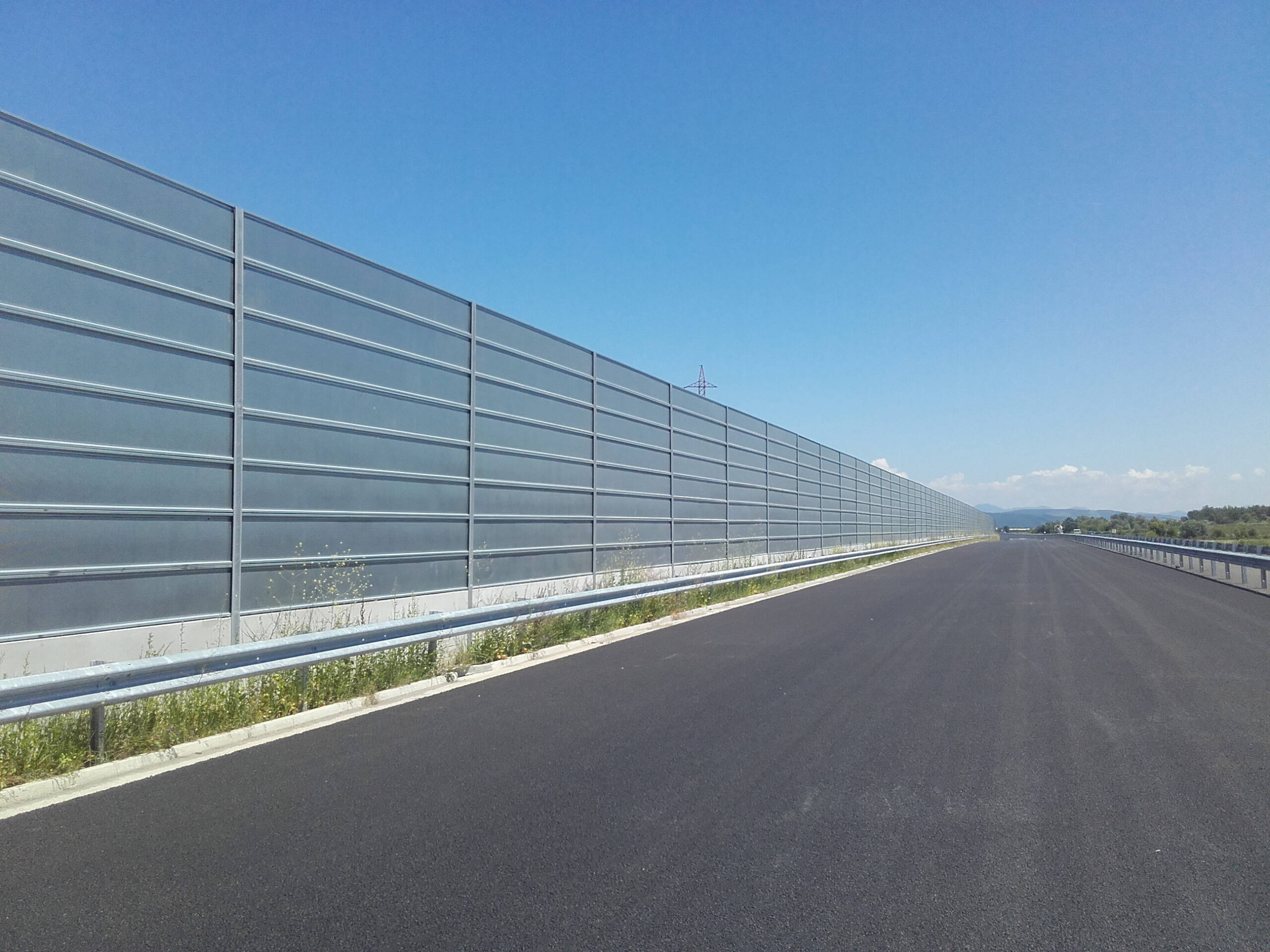
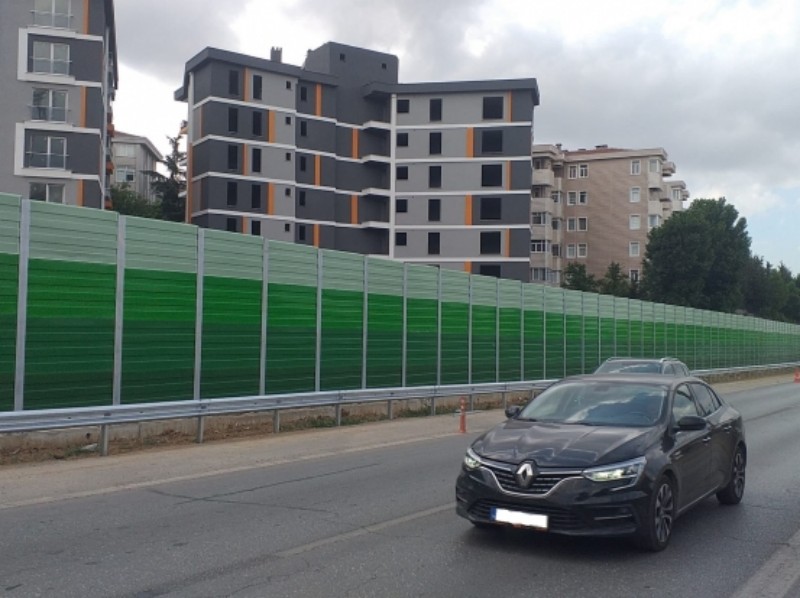
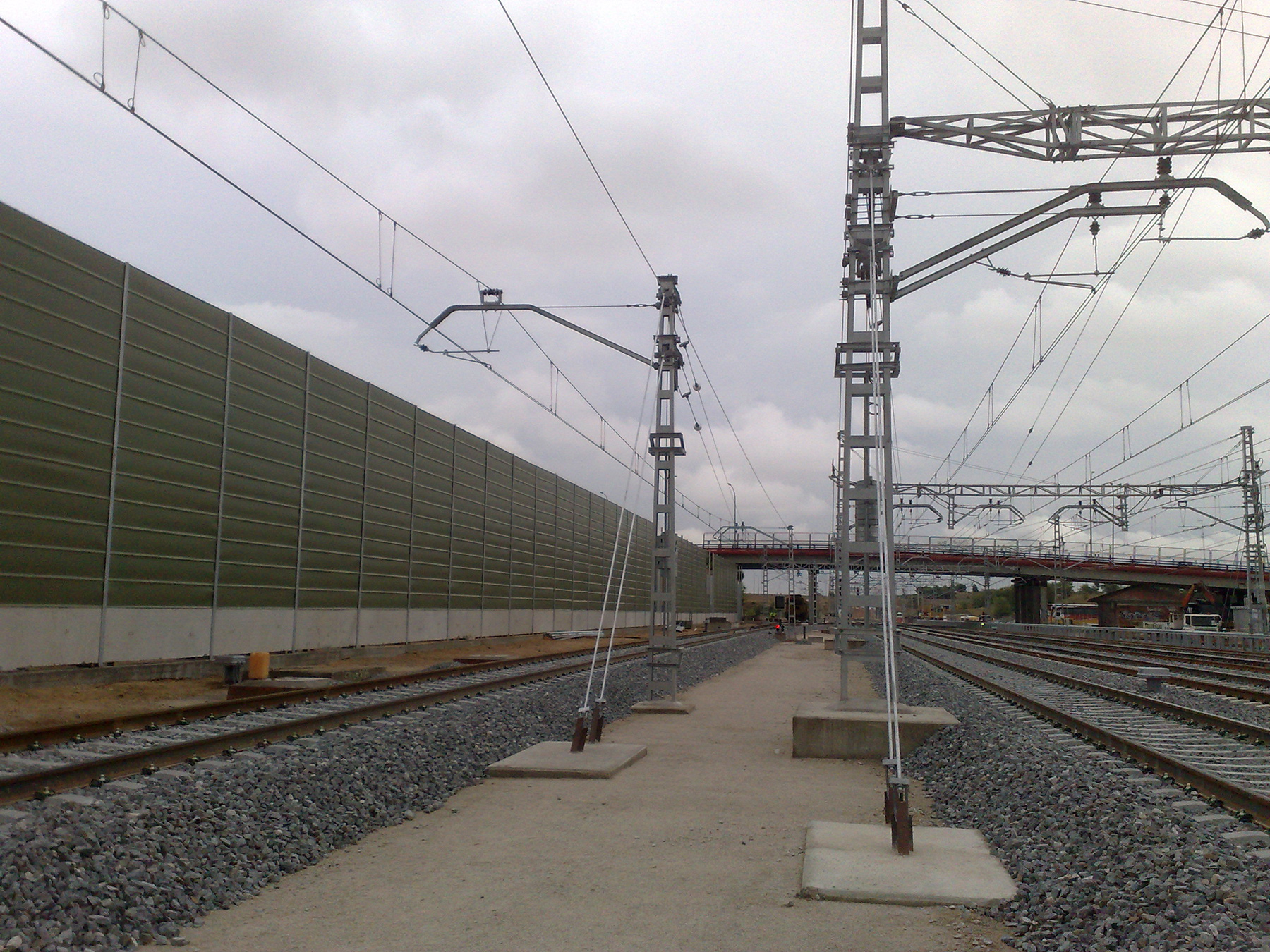
Railway noise barrier systems reduce train rumble along tracks, depots, and yards. ABX Metal supplies these screens as steel and aluminum on a post and foundation system. Each panel slots into a post line set back from the rail. This page sets out the panel types, the materials, the post heights, the foundation methods, and the export details buyers ask about.
Panel Material and Surface Finish
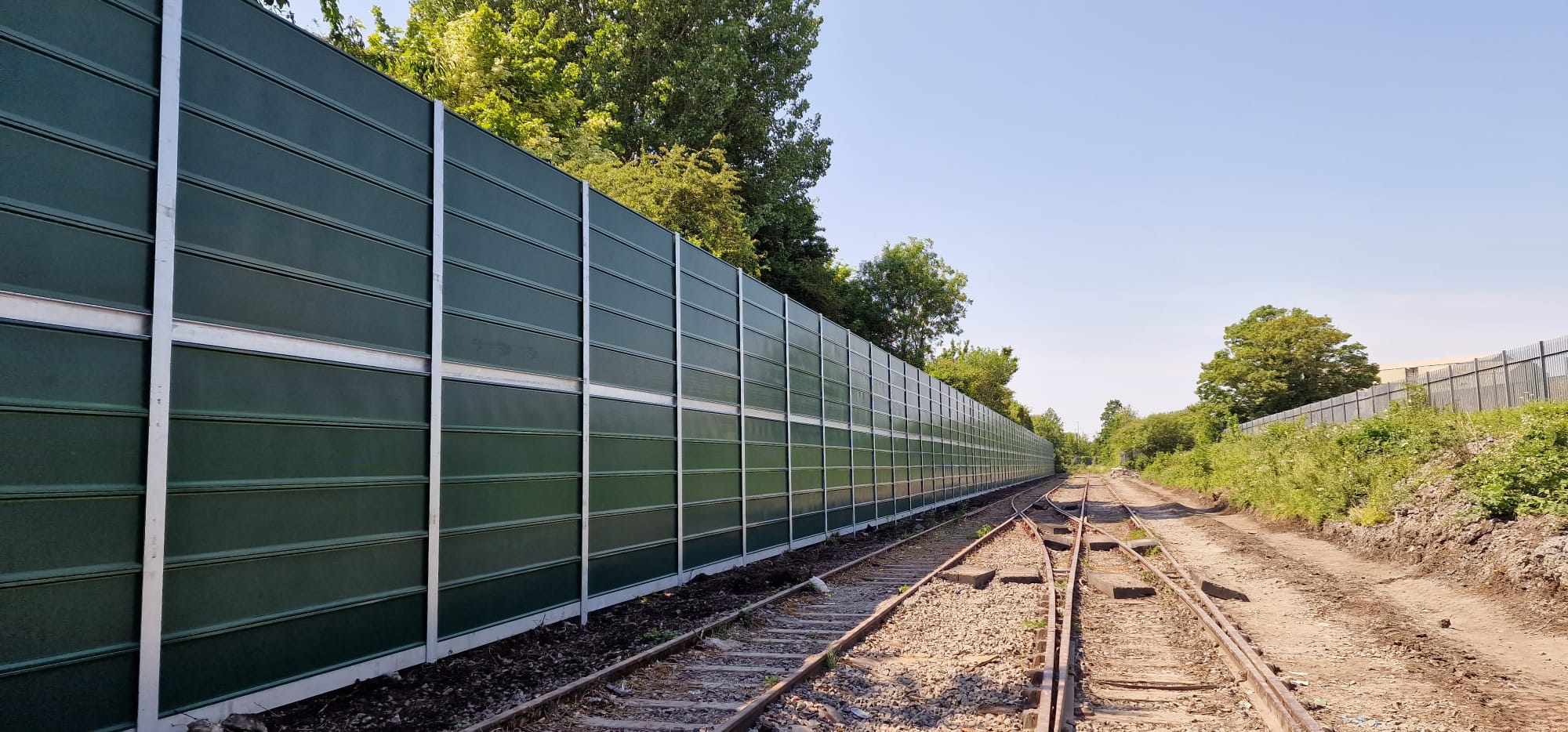 Material choice drives life span and look. ABX Metal stocks steel and aluminum as standard. Coating keeps the panel clean through weather cycles.
Panel Manufacturing Method
ABX Metal forms each panel from steel coil. The coil is levelled, cut to length, and roll formed into the panel profile. A welded frame stiffens the edge and carries the load. Transparent panels are cut from acrylic sheet and clipped into the same frame. Galvanizing and powder coating follow as the final finish step.
Galvanized and Powder Coated Steel
The base panel is hot dip galvanized steel. Powder coating goes over the zinc in a chosen color. That two layer system resists rust at the coast and in wet yards. Stock colors include grey, green, and blue. ABX Metal also matches RAL shades for a line identity.
Aluminum Frame and Post
Aluminum posts suit corrosive or weight limited sites. They resist salt spray without heavy coating. Aluminum costs more at purchase but needs less upkeep. The post carries the panel and transfers load to the foundation.
Railway Noise Barrier Post and Height
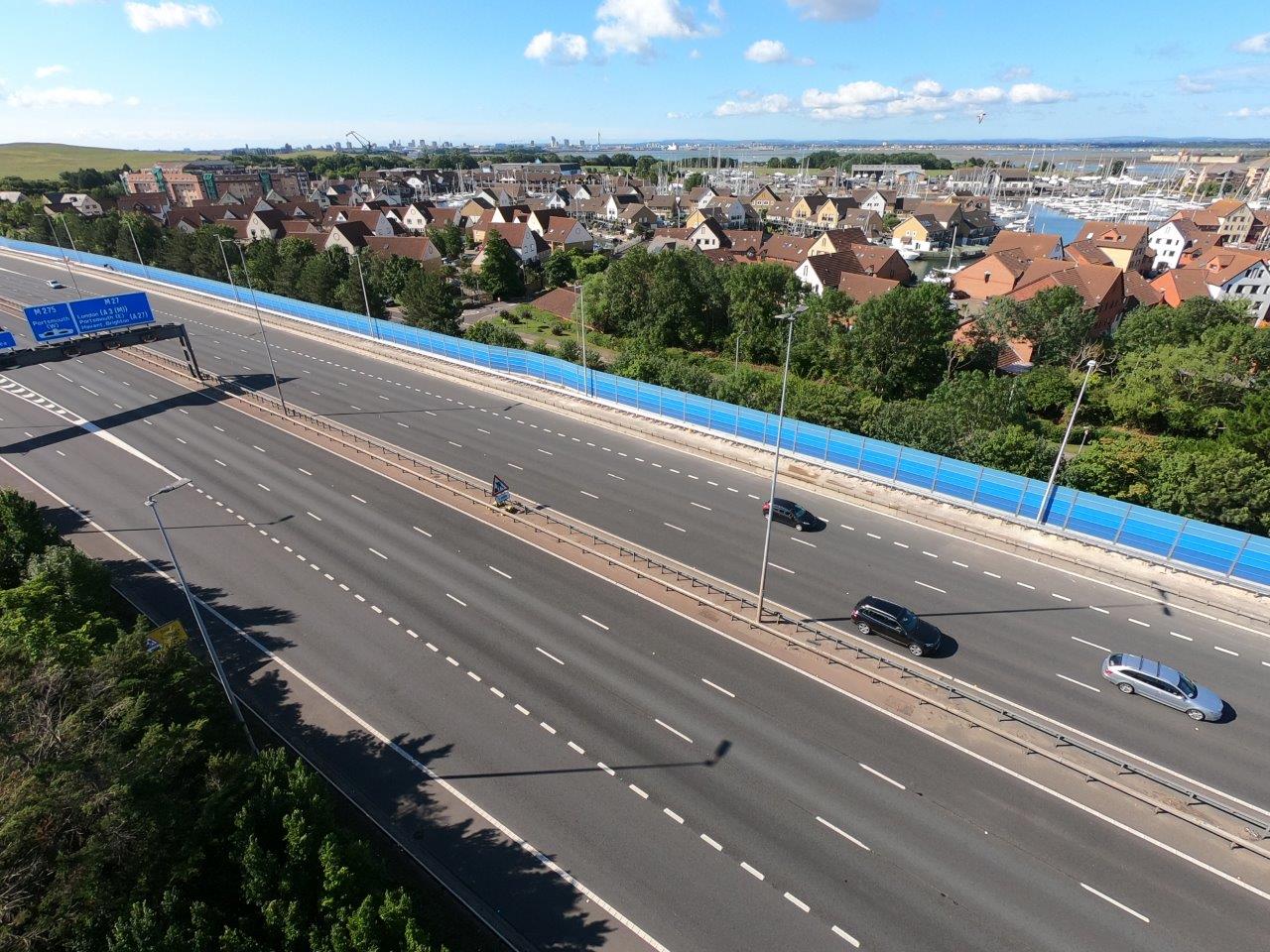
Post size and barrier height set the screen performance. Taller screens shield more of the noise path. The height must clear the train roof line and the receiver window.
Post Spacing and Section
Posts run on a fixed center. Common centers sit at 2 m to 4 m. A wider span needs a heavier section. ABX Metal sizes the post against panel weight and local wind. Wind load rises with barrier height, so tall screens need deeper posts.
Barrier Height Range
Standard barrier heights run from 2 m to 4 m above ground. A low screen suits slow depot tracks. A tall screen suits main line and high speed approaches. Exact height follows the site noise study. Confirm the required height with your acoustic consultant before order.
Foundation and Fixing Methods
The foundation holds the line straight through wind and train push. Method depends on ground and track access. ABX Metal designs the base against the post load.
Cast In Situ Foundation
A cast foundation pits below each post. Workers pour concrete around the post shoe. This method suits new alignments with open ground. It gives the stiffest base and the longest life.
Post and Rail Fixing
Where tracks are live, crews fix posts to an existing wall or a precast beam. Bolted brackets clamp the post without closing the line. That method speeds install during possessions. ABX Metal supplies the clamp set with the post bundle.
Railway Noise Barrier Project Support
Railway noise barrier screens cut train noise because mass, absorption, and height together block the sound path. Pick the panel format against the view. Size the post against wind. Set the foundation against the ground. ABX Metal manufactures the panels in Anping County, packs them in protected packs, and ships worldwide. Send your elevation drawing and destination port. We will return a panel schedule and a lead time.



Ulasan
Belum ada ulasan.