

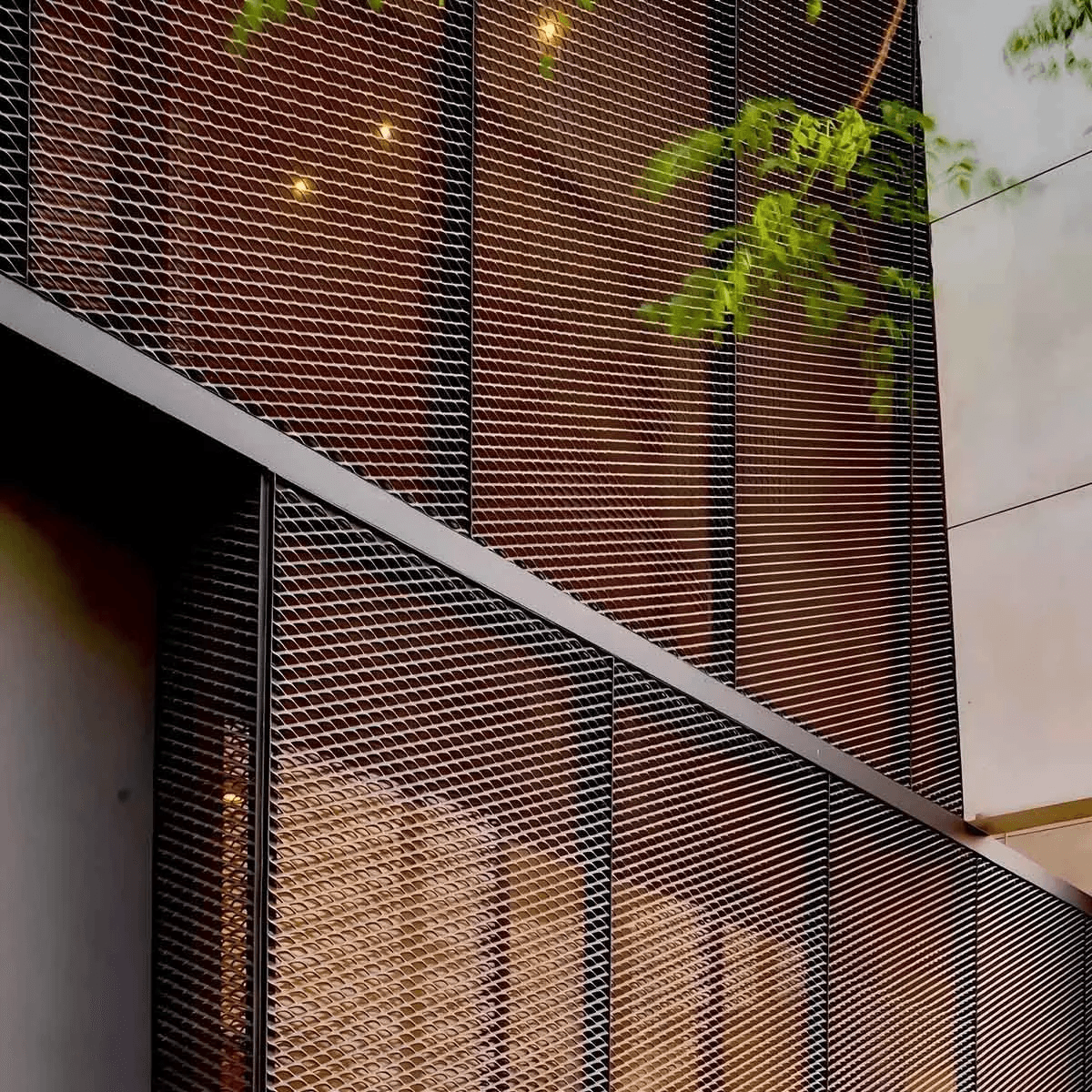
Create your ideal building with our modern expanded metal mesh facade, perfectly blending functionality and aesthetic design. ABX Metal offer a variety of customized design options that balance safety features with a modern style.
Applications Of Expanded Metal Facade
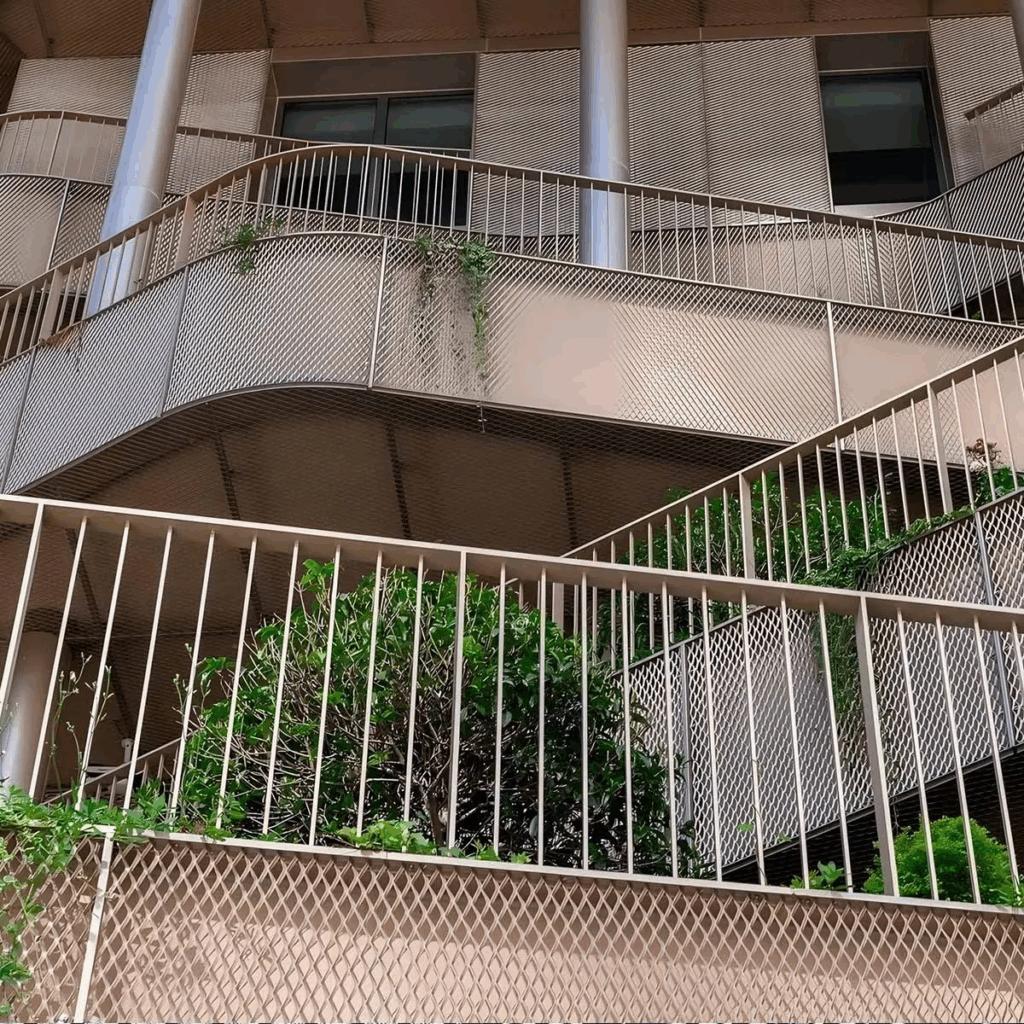
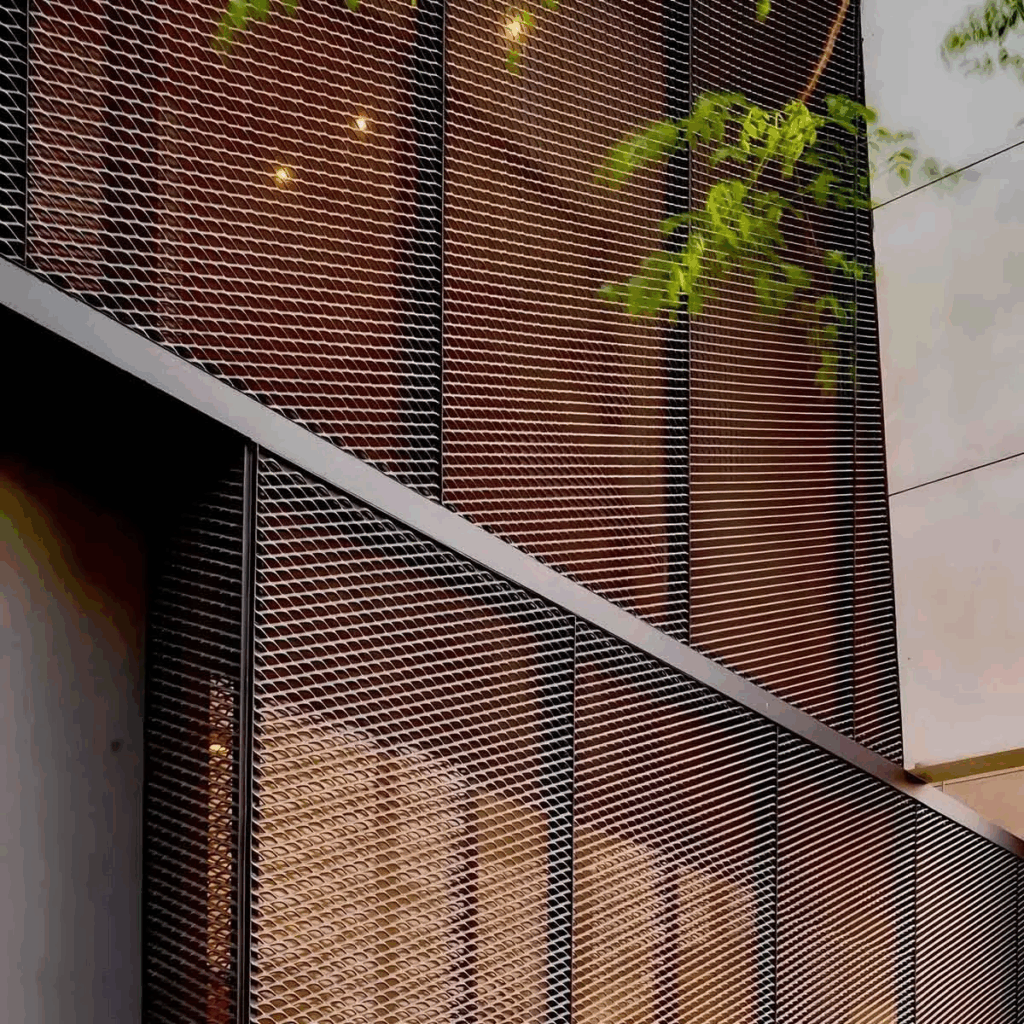
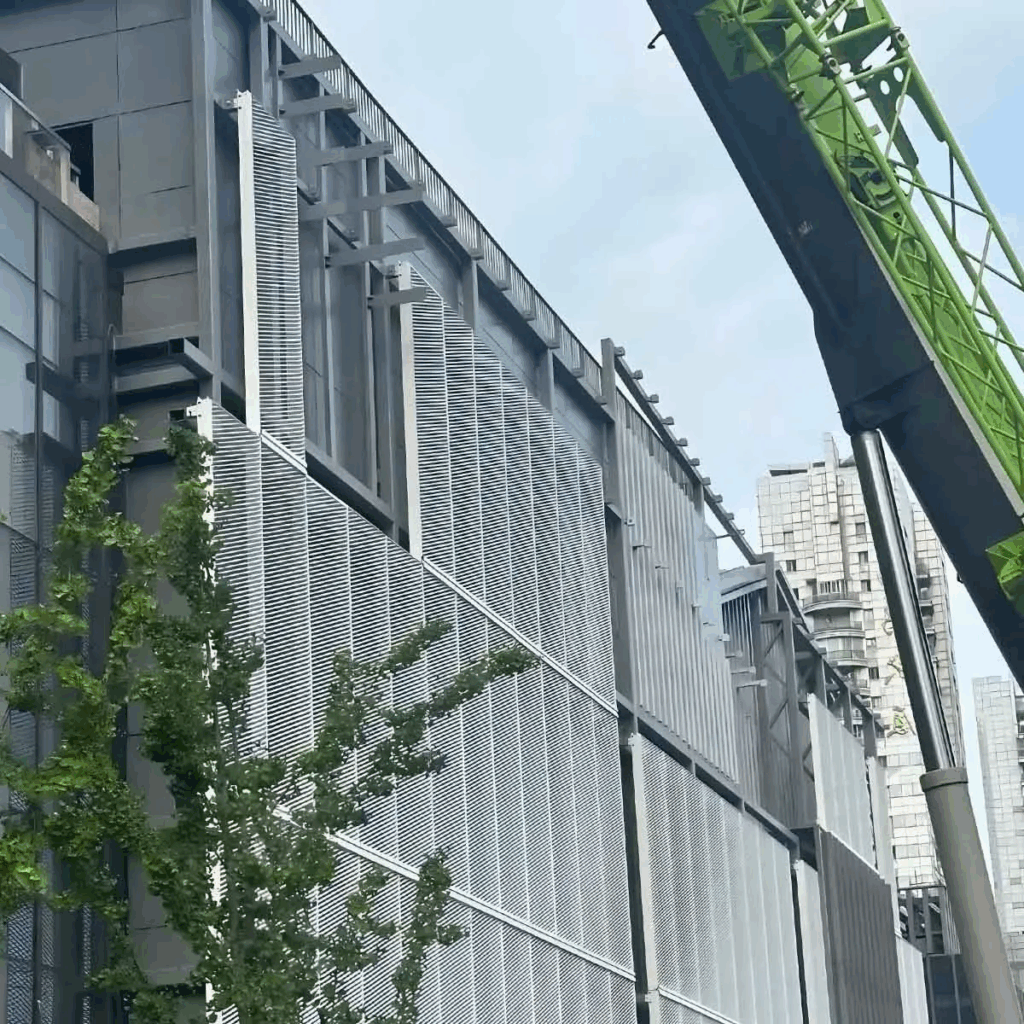
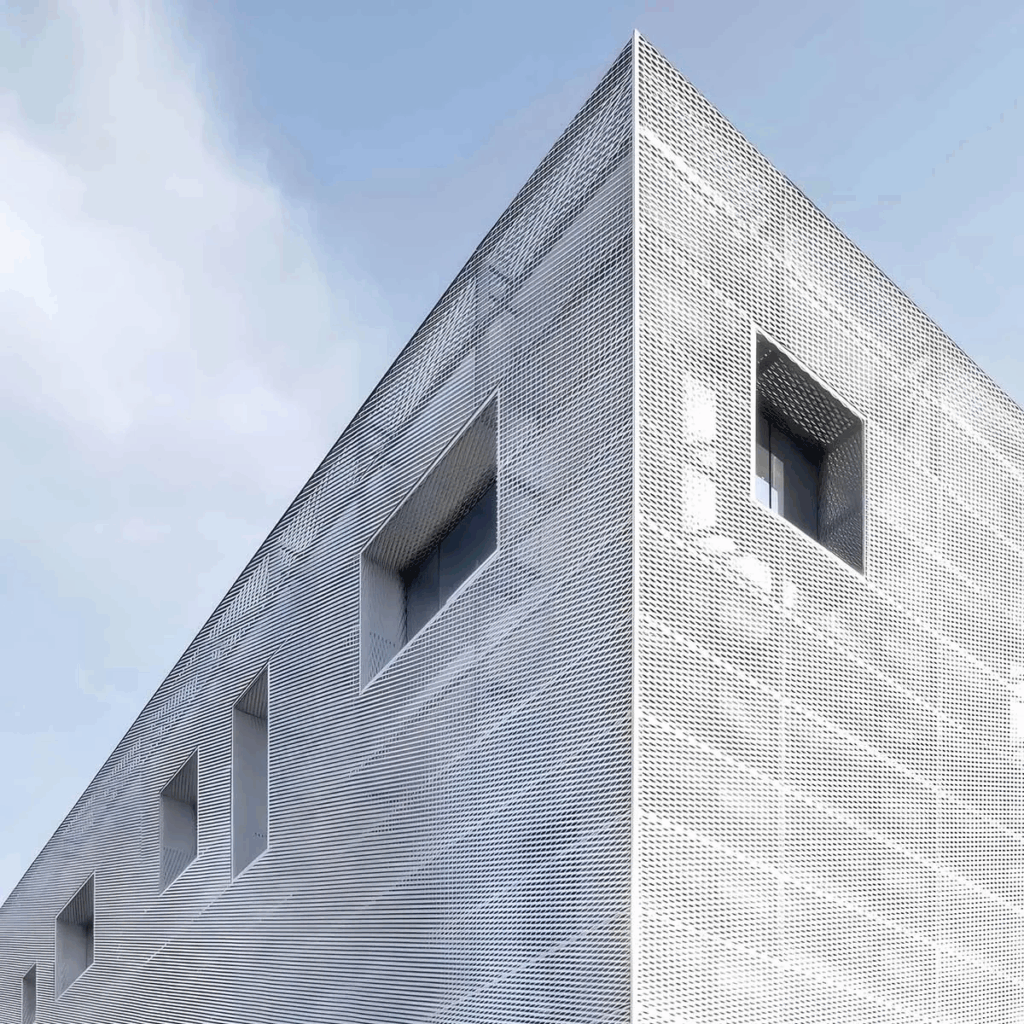
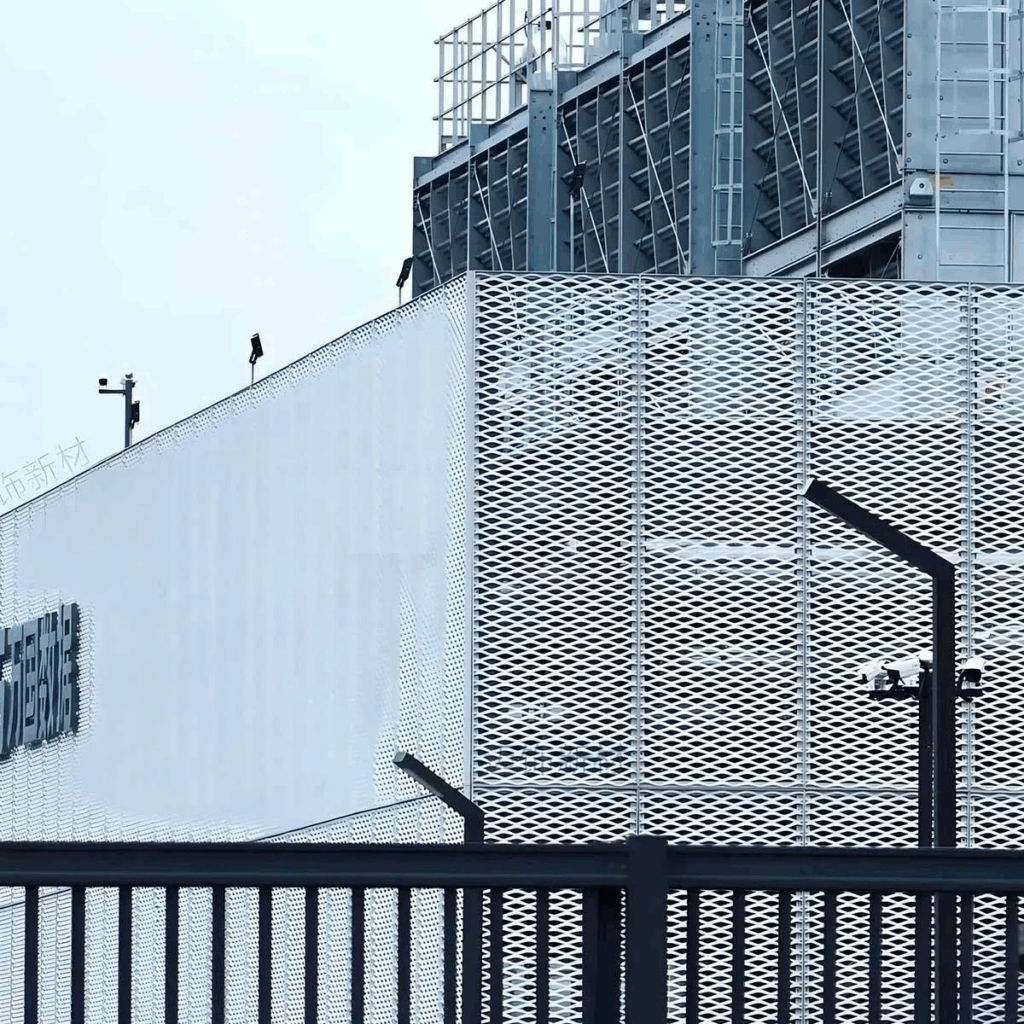
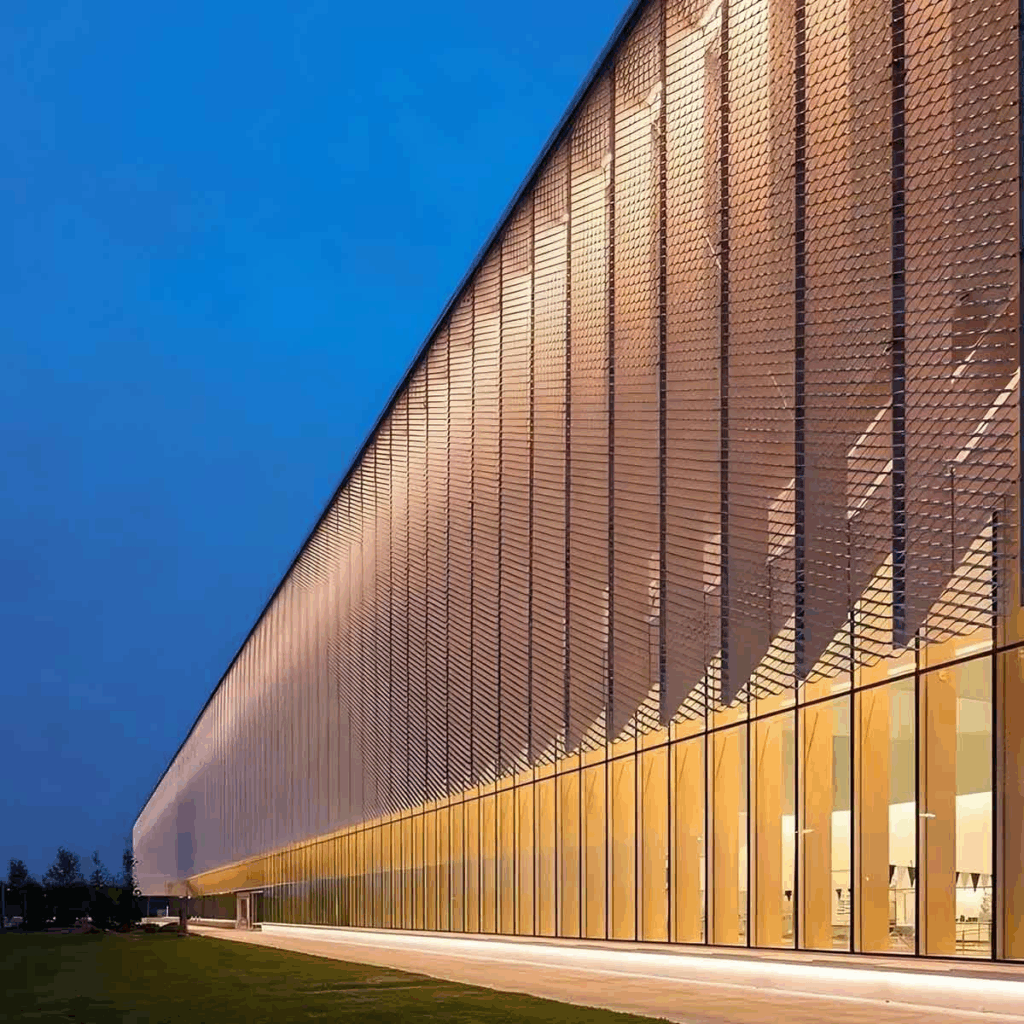
Building Exteriors
Expanded metal facades create vibrant building exteriors. Designers use their meshy patterns to form intriguing architectural shapes and unique appearances
Sunshades and Louvers
Expanded metal sunshades control sunlight effectively. They provide shade and enhance indoor comfort while reducing energy consumption in buildings.
Privacy Screens
These metal sheets serve as privacy screens. They balance airflow with natural light while adding functional design to spaces.
Security
Expanded metal facades offer excellent security strength. They protect windows and deter burglars from private areas effectively.
Parking Structures
Parking structures use expanded metal for ventilation. It provides natural light and openness while maintaining security compliance.
Landscaping
Urban architects choose expanded metal for landscaping. They create beautiful trellises and garden screens that enhance visual appeal.
Art Installations
This flexible material enables complex artistic designs. Artists create customized metal mosaics for architectural contexts.
Noise Barriers
Expanded metal facades reduce urban noise pollution. They serve as effective sound barriers near highways and industrial zones.
Green Building Design
These facades support green architecture through natural ventilation and daylighting. They help lower building energy requirements significantly.
Pattern Options
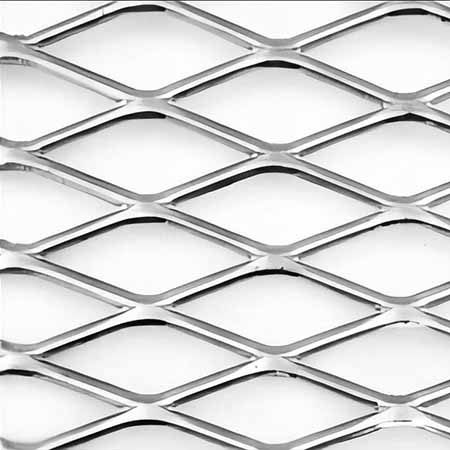
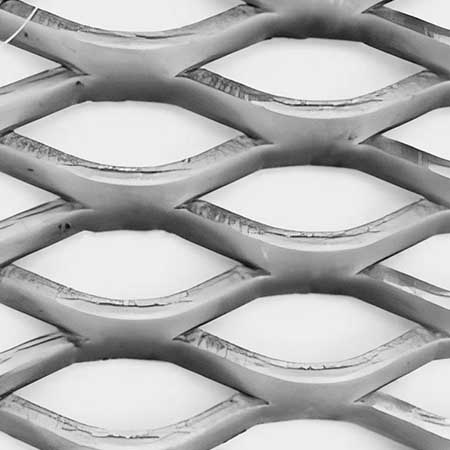
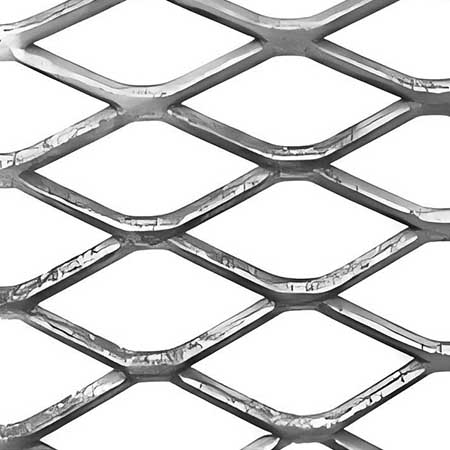
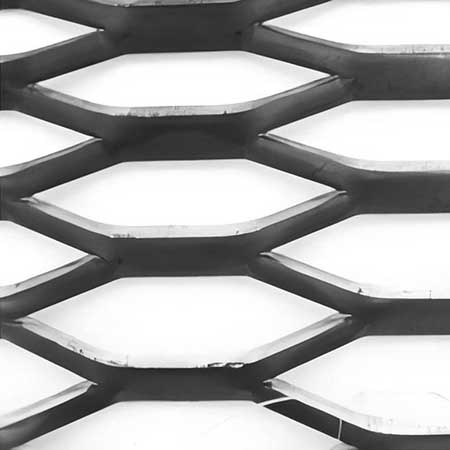
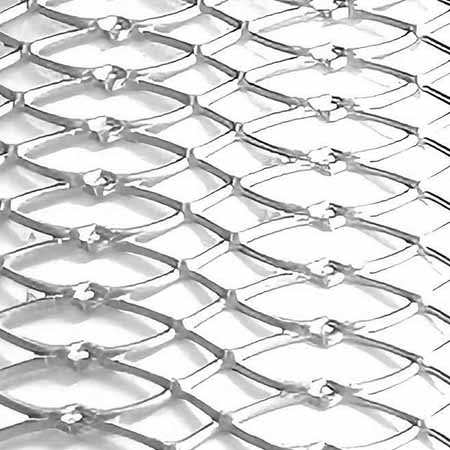
Our expanded metal offers multiple pattern choices. Diamond patterns provide classic industrial aesthetics. Standard diamond openings ensure excellent airflow. Heavy-duty diamond patterns add structural strength. Decorative patterns create unique visual effects. Square patterns deliver modern geometric appeal. Custom designs fulfill specific project requirements. Each pattern offers distinct light and shadow play. Architects select patterns based on functional and aesthetic needs.
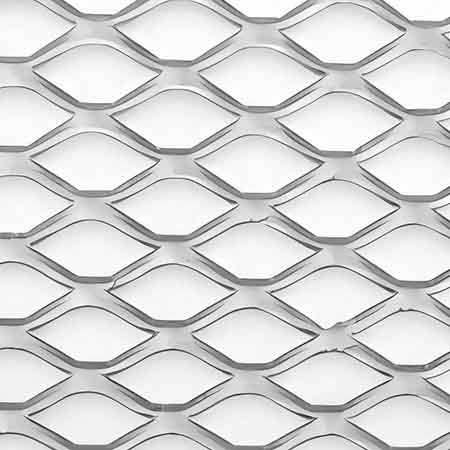
Specifications Of Expanded Metal
| Parameter | Specifications |
| Standard | GB/T 24001-2016, GB/T 19001-2016, ASTM, JIS, EN |
| Thickness | 0.5 mm – 10.0 mm |
| Width | 300 mm – 1850 mm, Customized |
| Length | 300 mm – 3000 mm, Customized |
| Tolerance | ±1% |
| Alloy Grade | 1050, 1060, 1100, 3003, 3105, 5005, 5052, 6061, 6063, etc. |
| Technique | Cold Rolled |
| Finish | Powder Coating, PVDF Coating |
| Colors | Champagne, Black, Blue, Silver, Gold, Rose Gold, etc. |
| Edge | Mill, Slit |
| Applications | Ceiling, Wall Panel, Facade, Interior Decorations |
| Packing | PVC + Waterproof Paper + Wooden Package |
Optional Finishes & Colors
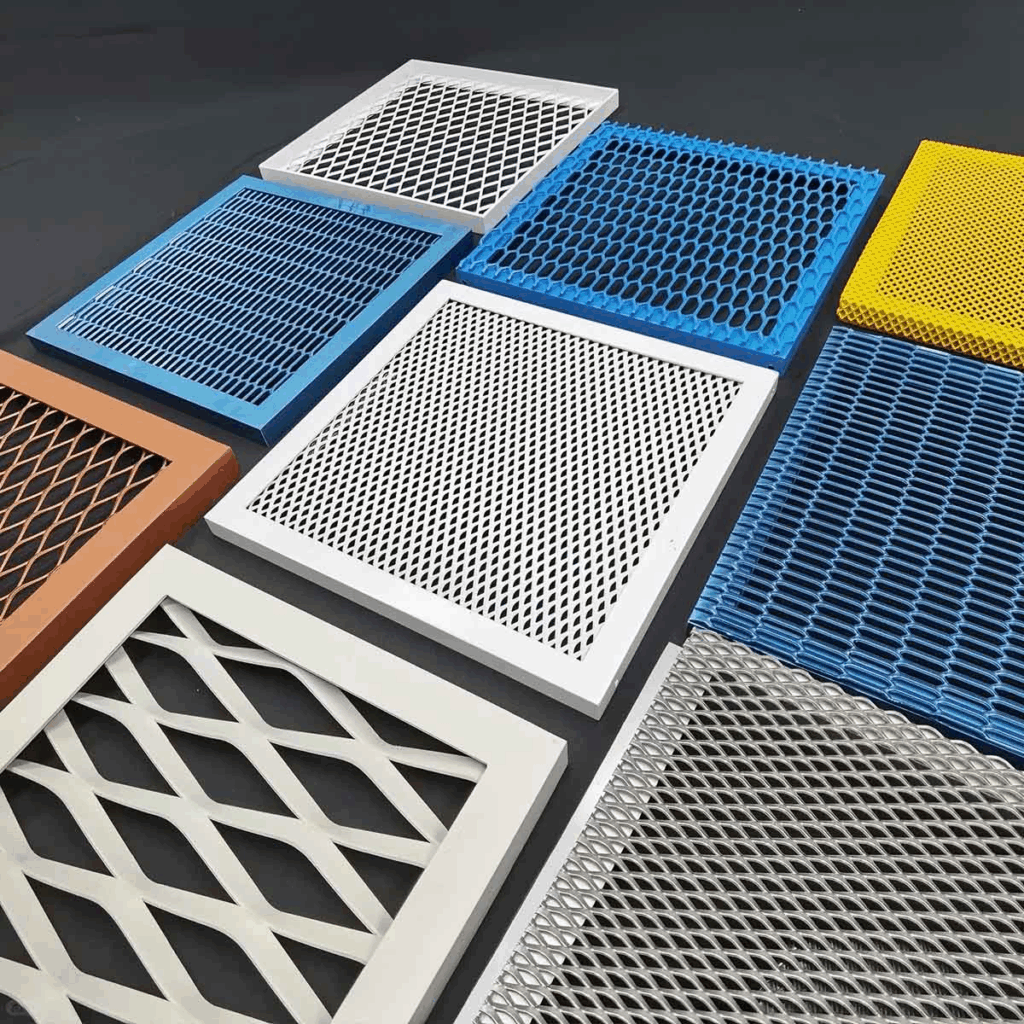
Choose from various finishing options.
- Powder coating provides durable color surfaces.
- PVDF coating offers superior weather resistance.
- Anodizing creates metallic aesthetic effects.
- Natural mill finish maintains raw metal appearance.
Custom colors match corporate identity requirements. Metallic finishes include silver and bronze tones. All finishes ensure long-term corrosion protection.
Process Of Making Expanded Metal
The expanded metal manufacturing process transforms solid metal sheets into durable mesh panels. This unique process naturally enhances material strength while creating distinctive textures. Architects specify these panels for modern facade designs worldwide.
Sheet Selection
Manufacturers begin with premium metal sheets. They select aluminum for lightweight projects. Stainless steel suits high-corrosion environments. Galvanized steel offers economic durability. Each material serves different architectural requirements.
Slitting and Stretching
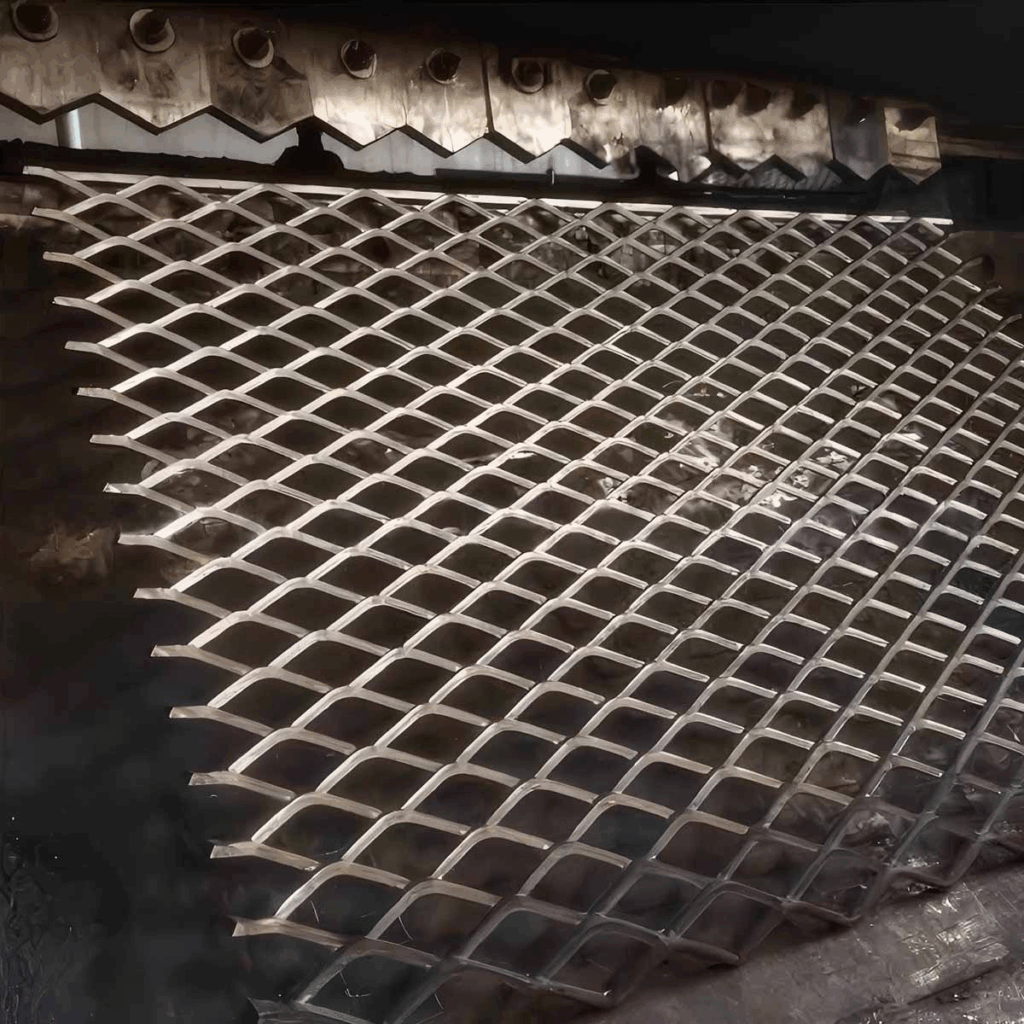
Specialized machinery simultaneously slits and stretches sheets. This process forms diamond or hexagonal patterns. It generates zero material waste. The operation creates uniform mesh structures efficiently.
Flattening (Optional)
Some projects require smooth surfaces. Electric roller systems flatten mesh strands completely. This optional process creates uniform profiles. It prepares panels for specific architectural applications.
Cutting and Shaping
Technicians cut panels to custom dimensions. They perform precise bending operations. Curving adapts panels to architectural forms. Each piece matches design specifications exactly.
Surface Treatment
Factories apply various protective finishes. Powder coating provides color options. Anodizing enhances natural metal appearance. PVDF coating ensures weather resistance. All treatments improve durability.
Installation Preparation
Manufacturers supply complete mounting systems. These include structural frameworks and connectors. The design enables quick on-site assembly. Installation requires basic tools and skills.
Aluminium VS Stainless Steel For Expanded Metal Facade
Aluminum offers significant weight advantages. It provides excellent corrosion resistance naturally. This material allows complex forming operations. Stainless steel delivers superior strength characteristics. It withstands harsh environments effectively. Both materials suit architectural applications perfectly. Selection depends on specific project requirements.
| Feature | Aluminum | Stainless Steel |
|---|---|---|
| Weight and Handling | Lightweight, easy to transport and install. Ideal for minimal structural load. | Heavier, provides excellent rigidity and impact resistance for demanding areas. |
| Corrosion Resistance | Naturally corrosion-resistant; enhanced with anodizing or coatings. | Exceptional resistance, especially in marine-grade options like 316 stainless. |
| Aesthetic Appeal | Clean, bright look; available in various anodized or powder-coated colors. | Sleek, modern appearance with brushed or polished finishes. |
| Cost and Budget | More affordable: lower material and installation costs. | Higher upfront cost, but long-term value due to durability and low maintenance. |
| Sustainability | 100% recyclable and lightweight, reducing transportation emissions. | Fully recyclable; long lifespan supports sustainable building goals. |
Highlights of Expanded Metal Mesh Facade
Architects worldwide specify expanded metal mesh facades for their unique combination of strength and aesthetics. These innovative cladding systems deliver exceptional performance across diverse climate conditions and design requirements.
Enhanced Ventilation
The open diamond mesh pattern enables natural airflow throughout buildings. This strategic ventilation reduces mechanical system dependency while improving indoor air quality and energy efficiency.
Superior Durability
Expanded metal facades withstand extreme weather conditions including high winds, heavy precipitation, and intense UV exposure. Protective coatings like anodizing and powder coating provide additional corrosion resistance, ensuring decades of reliable performance.
Optimal Light Management
The mesh configuration allows precise control of sunlight penetration. Buildings benefit from abundant natural daylight while maintaining comfortable interior conditions and reducing artificial lighting needs.
Balanced Privacy
These facades create the perfect balance between visibility and screening. They maintain visual connections between interior and exterior spaces while providing appropriate privacy levels for various architectural applications.
Design Flexibility
With customizable patterns, aperture sizes, and color finishes, expanded metal mesh supports unlimited design possibilities. Architects can create unique building identities while maintaining functional performance requirements.
Minimal Maintenance
The open structure and durable materials require only occasional cleaning to maintain appearance. This simple upkeep translates to significant long-term cost savings compared to conventional cladding systems.
Economic Efficiency
Lightweight construction reduces structural support requirements and installation time. Lower transportation costs and faster project timelines make these facades a cost-effective choice for modern construction.
Environmental Sustainability
By maximizing natural daylight and cross-ventilation, expanded metal facades contribute to reduced energy consumption. The materials’ recyclability and extended service life further support sustainable building practices.