



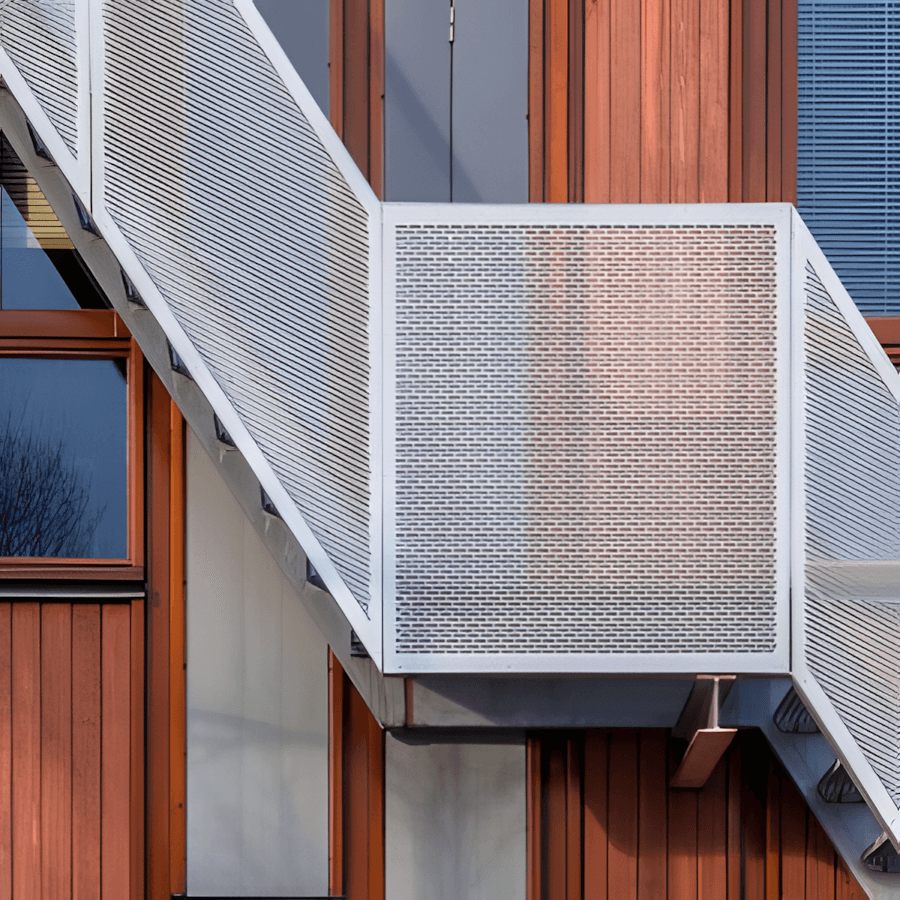
Description
Perforated Metal Panel Overview
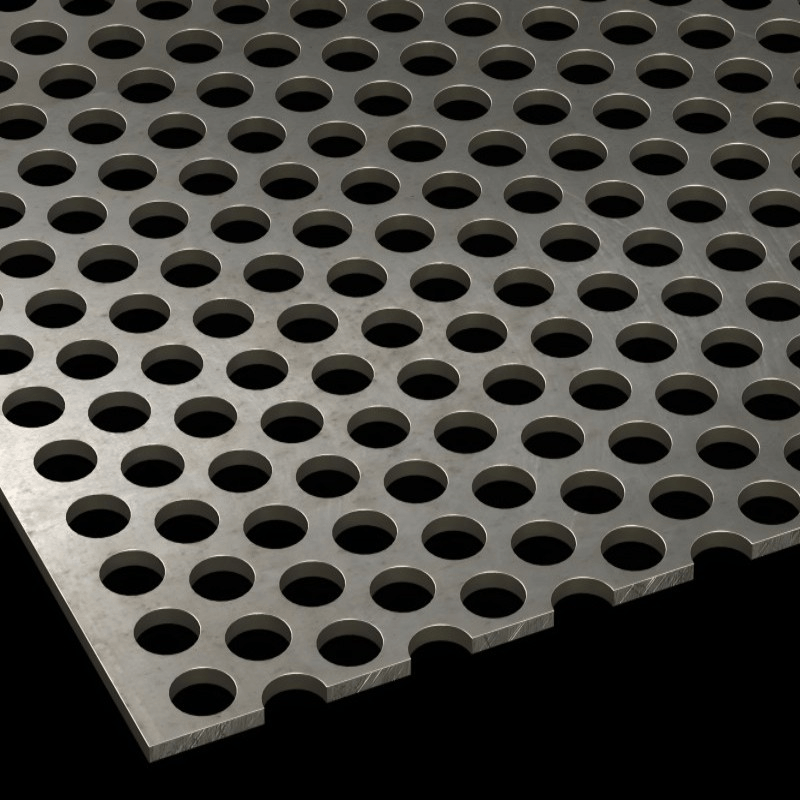
Perforated metal panels deliver exceptional aesthetic value and sustainable performance. These panels offer flexible design alternatives for both vertical and horizontal placement. Architects specify them for privacy solutions and weather protection. The precision perforations maintain structural strength while providing functional benefits. This material combines visual appeal with long-term stability, making it ideal for modern architectural applications.
Material Optional
Stainless Steel / Aluminum / Brass Bronze / Conten SteelApplications
Facade / Ceiling / Romm Divider / FencePerforated Metal panels redefine modern architecture through the seamless fusion of function and aesthetics. Their precision-engineered patterns deliver multiple performance benefits while creating striking visual identities.
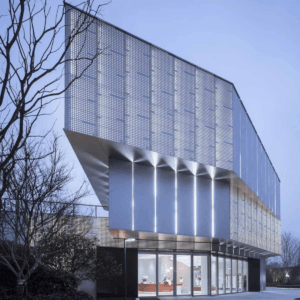
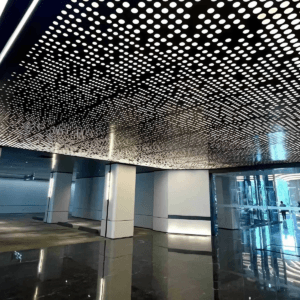
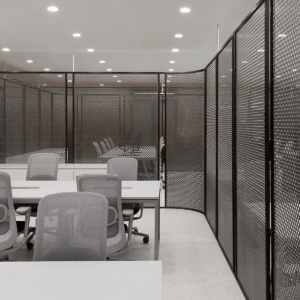
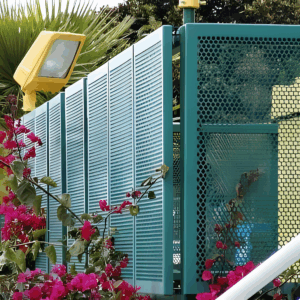
These panels provide intelligent solutions for:
Building Facades – combining solar shading with architectural expression
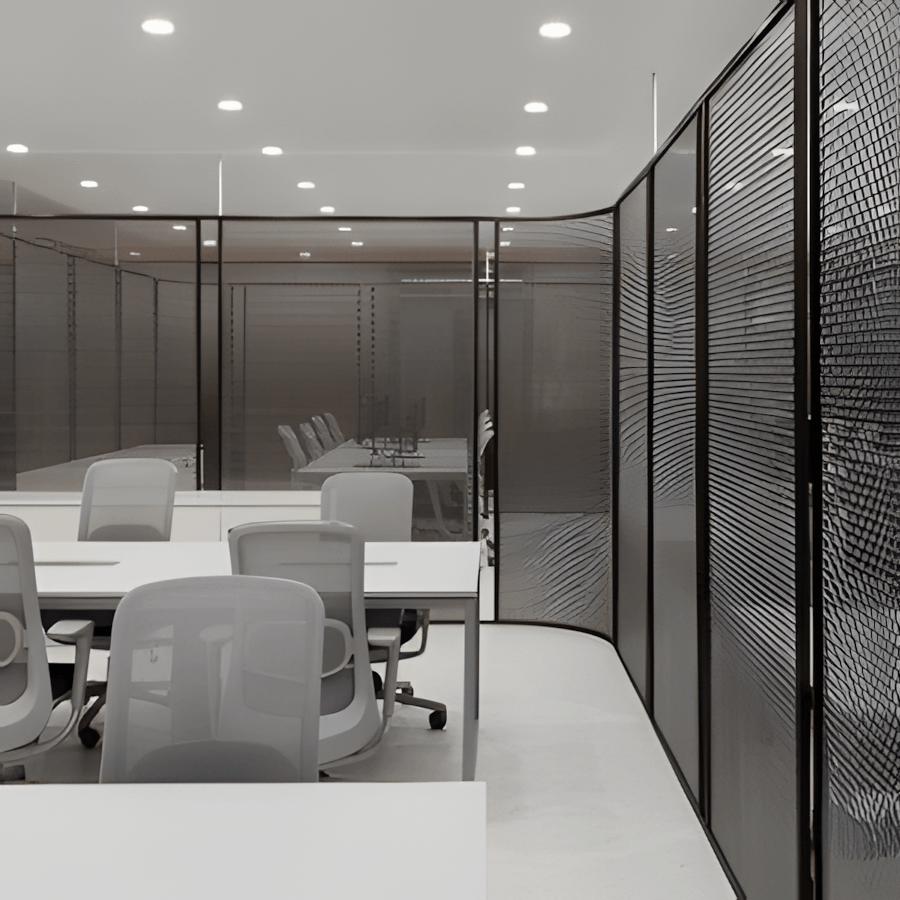
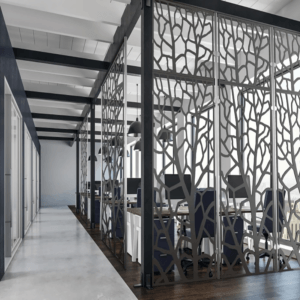
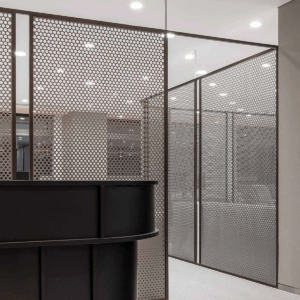
Interior Partitions – enabling spatial division with maintained visual connectivity
Acoustic Walls – reducing noise pollution while enhancing design appeal
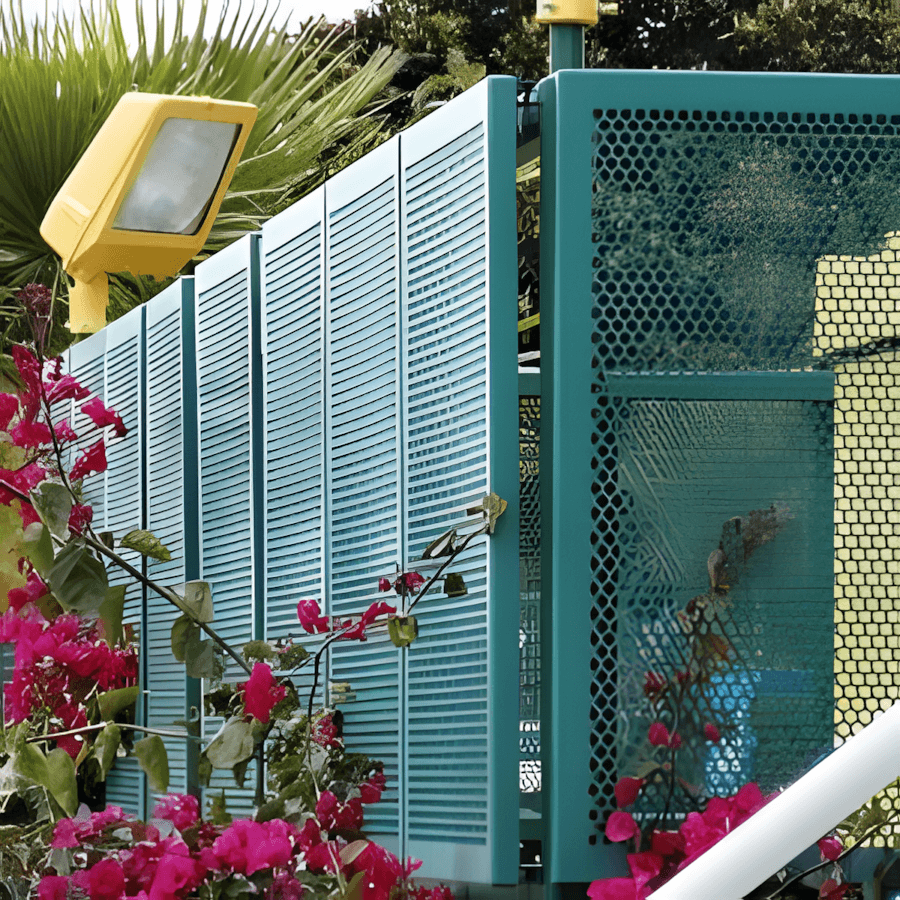
Balcony Screens – ensuring privacy without compromising ventilation
Sunshading Systems – controlling solar heat gain while creating dynamic light patterns
The strategic perforations optimize natural ventilation, manage sunlight penetration, and ensure privacy – all while maintaining structural integrity. Architects worldwide specify these panels for performance-driven buildings seeking both sustainability and design excellence. From corporate headquarters to educational facilities, perforated metal transforms ordinary surfaces into multifunctional architectural elements that stand the test of time.
Specifications of Perforated Metal Panel
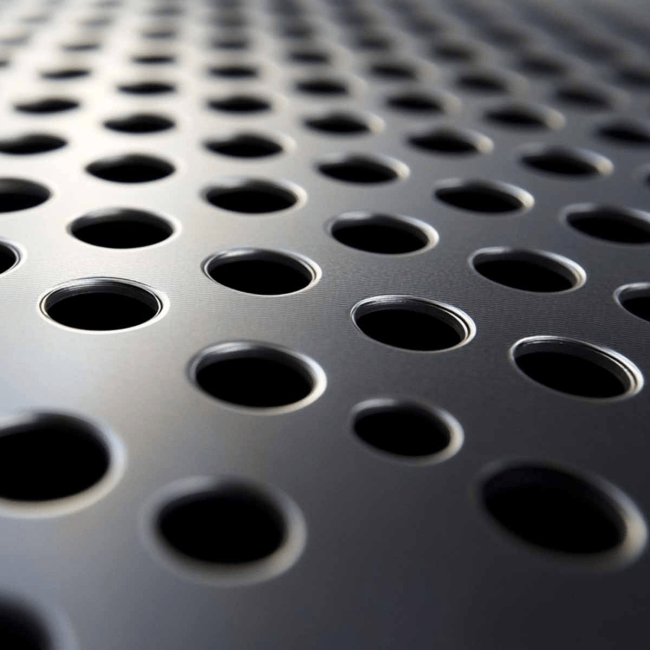
| Product Name | Perforated Metal Panel / Sheet |
| Standard | GB/T 24001-2016, GB/T 19001-2016, ASTM, JIS, EN |
| Thickness | 0.5 mm – 5.0 mm |
| Width | 300 mm – 1850 mm, Customized |
| Length | 300 mm – 3000 mm, Customized |
| Tolerance | ±1% |
| Materials | Stainless Steel, Aluminum, Carbon Steel |
| Technique | Cold Rolled |
| Finish | Powder Coating, PVDF Coating, Anodized Finish |
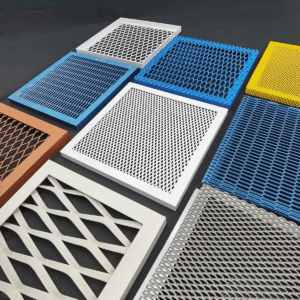
| Colors | Champagne, Black, Blue, Silver, Gold, Rose Gold, etc. |
| Edge | Mill, Slit |
| Applications | Ceiling, Wall Panel, Facade, Interior Decorations |
| Packing | PVC + Waterproof Paper + Wooden Package |
Pattern Options
Perforated metal panels offer extensive pattern versatility for architectural projects. They achieve the perfect balance between functional performance and visual aesthetics. Choose from simple geometric shapes to intricate custom designs. We provide tailored panel solutions for all architectural and interior applications. Discover endless possibilities in our pattern inspiration gallery. Find the ideal perforation style to elevate your design vision.



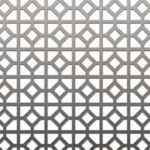
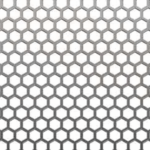
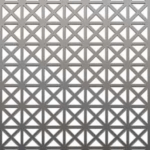
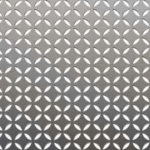
Hole Shapes
Round, square, or slotted perforations are most common. Clients also favor custom designs. A fence should showcase a special style. Ventilation must remain effective. The design plan can achieve both goals.
Hole Sizes and Spacing
Diameter and spacing affect light, air, and noise. These features let panels meet any area’s needs. They fulfill functional and ornamental requirements.
Custom Designs
Spacing and diameter guide sound direction. They manage air movement and sunlight. Various openings suit perforated metal panels anywhere. They perform well practically and aesthetically.
Acoustic Optimization
Pattern design improves sound quality. It adjusts the exposed open area size. This increases sound absorption. Spaces become more comfortable and quiet.
Visual Impact
Patterns add dynamic texture indoors. They create detailed shadow effects. Smart design makes fences functional and attractive. This approach beautifies panels effectively.
Material Efficiency
Ideal hole distribution cuts material waste. It keeps material strength acceptable. Panels maintain structural performance. Efficient, green design solutions become possible.
Processes of Making Perforated Metal Panels
High-Precision Metal Fabrication
Perforated metal panels need exact, sophisticated procedures. These steps confirm their strength and uniformity. They also enable creative adaptability. The process stamps solid metal sheets. This creates decorative or functional panels. Each panel shows various shapes and precise holes.
Material Selection
Proper material choice starts the process. Common materials include aluminum and stainless steel. Galvanized steel and copper are also options. Materials vary in strength and corrosion resistance. Each offers a distinct aesthetic for its purpose.
Sheet Preparation
Workers clean metal pieces thoroughly. They also square and cut pieces to specifications. This pre-sizing creates a smooth surface. Good preparation ensures high-quality results. It allows accurate hole size and placement.
Perforation Process
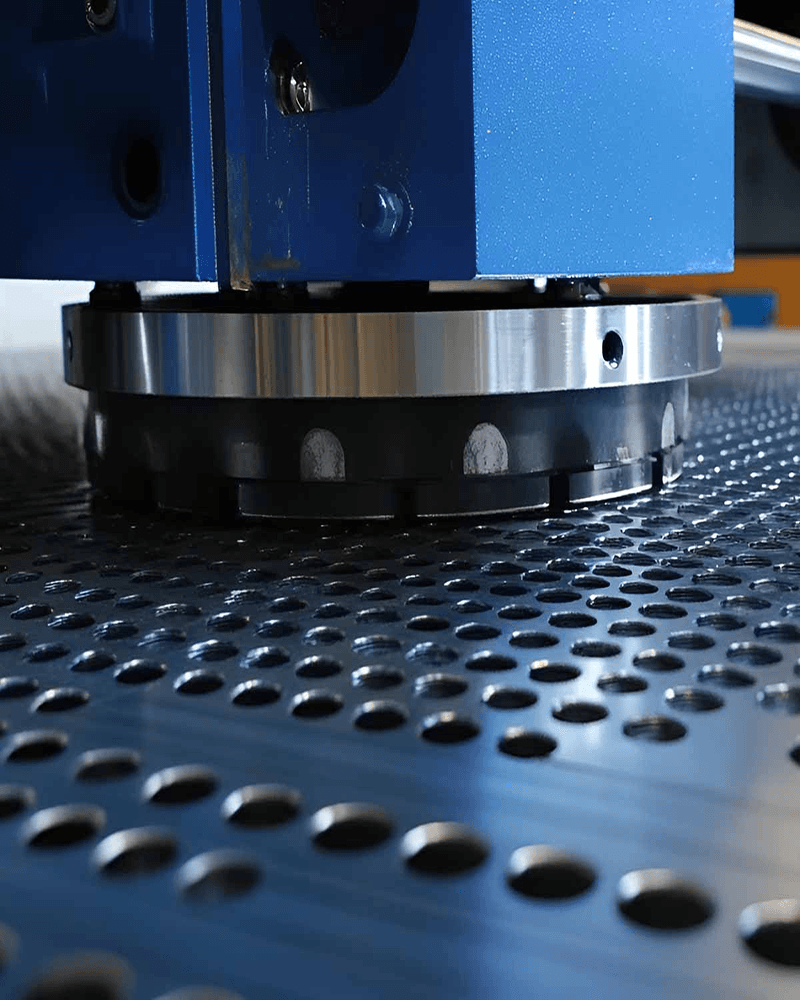
Specialized machinery makes the perforations. It stamps holes into each metal sheet. This step forms the intended pattern exactly. The equipment keeps hole size consistent. This defines the panel’s function and visual style.
Deburring and Finishing
The process removes sharp edges and burrs. This step ensures safety and improves quality. Workers then treat sheets for better durability. They may apply anodized or powder coatings. PVDF or polytop coatings are also common. These finishes enhance appearance and performance.
Quality Control
Inspectors check each panel thoroughly. They verify all measurements and hole spacing. They also examine the surface finish closely. This step minimizes product defects. It ensures panels meet all required specifications.
Cutting and Forming
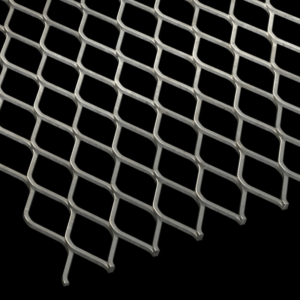
Manufacturers cut sheets to specific designs. They shape them for architectural uses. Techniques include bending, welding, and framing. These methods create custom features. Final products serve many functional and aesthetic purposes.
Reviews
There are no reviews yet.