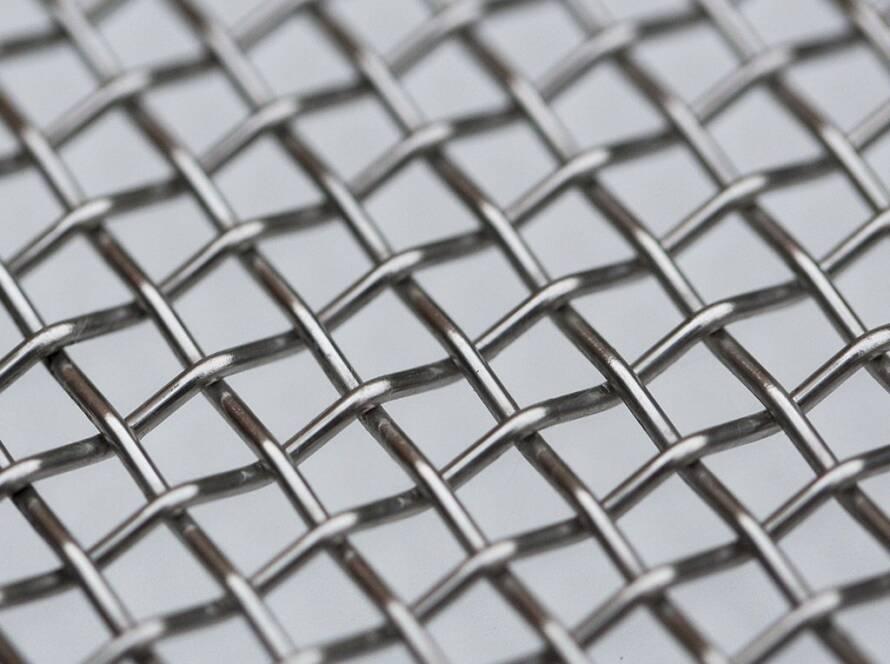
During manufacturing, factory shears cut expanded metal panels to specific dimensions. How the shear blade intersects the diamond mesh determines whether you receive a Bond Shear o Random Shear edge. Knowing this difference prevents installation delays and safety issues on site.
What is Random Shearing?
Random shearing cuts straight through the diamond pattern at specified dimensions, regardless of where the blade hits the mesh.
- The Benefit: It cuts down manufacturing time and lowers factory material waste.
- The Drawback: It leaves exposed, jagged prongs along panel edges. These sharp ends create cut hazards for workers and complicate perimeter welding.
What is Bond Shear (Closed Diamond Edges)?
Bond shearing cuts precisely across the solid intersections (bonds) where diamond strands meet.
This method creates a completely closed, smooth border along all four sides of the panel. When ordering custom-sized Rejilla de pasarela de metal expandido, specifying bond shear guarantees uniform edge strength and removes dangerous wire prongs.
Why Edge Finishing Impacts Panel Installation
1. Safer Field Handling
Sharp prongs from random cuts snag rigging equipment and injure field technicians. Closed bond edges let workers move and install Rejilla de pasarela de metal expandido safely on elevated catwalks.
2. Cleaner Framing and Welding
Crews frequently weld steel U-edging or angle iron around panel perimeters. A solid bond edge presents a clean, continuous line for fillet welding, forming a far stronger bond than welding thin individual prongs.
Resumen
Always specify bond shear edges on heavy-duty Rejilla de pasarela de metal expandido orders for exposed catwalks. This simple manufacturing choice saves labor hours and protects your installation team on site.