


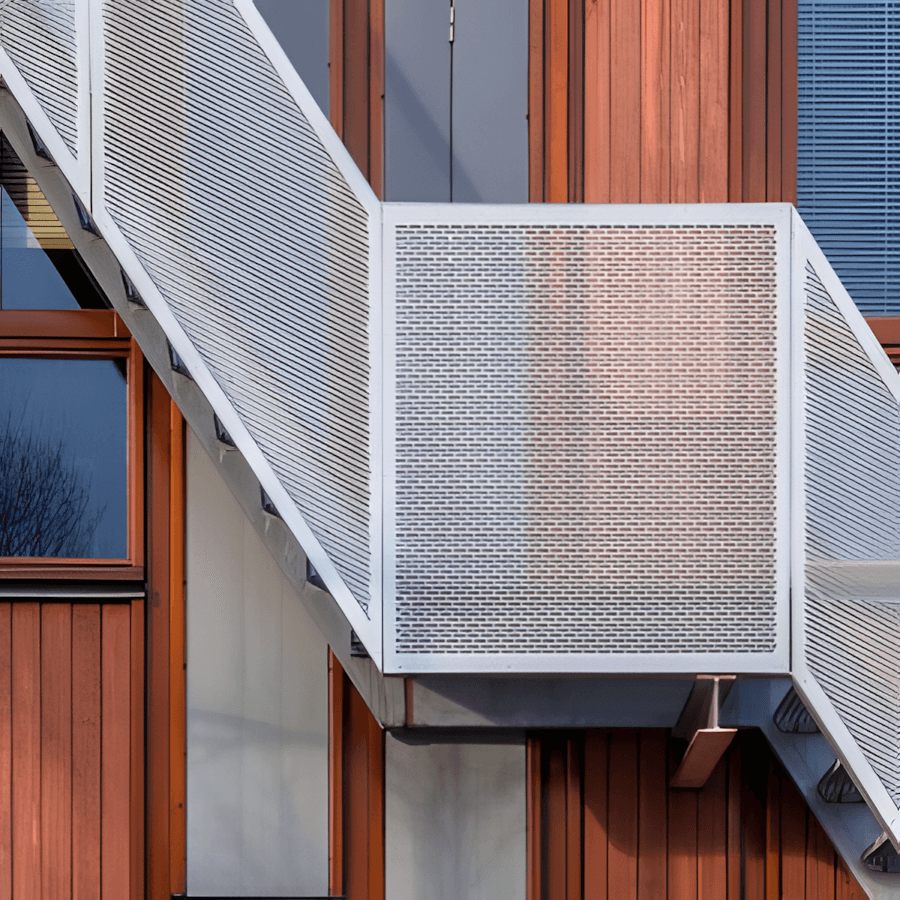
Paglalarawan
Pangkalahatang-ideya ng Perforated Metal Panel
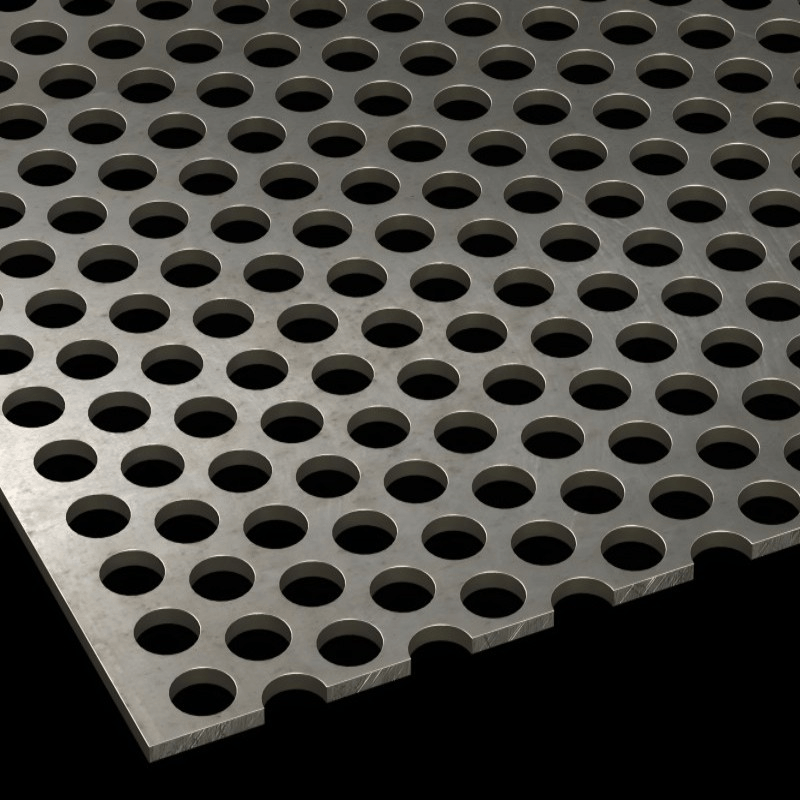
Ang mga perforated metal panel ay naghahatid ng pambihirang aesthetic na halaga at napapanatiling pagganap. Ang mga panel na ito ay nag-aalok ng mga alternatibong disenyo para sa parehong patayo at pahalang na pagkakalagay. Tinukoy ng mga arkitekto ang mga ito para sa mga solusyon sa privacy at proteksyon sa panahon. Ang precision perforations ay nagpapanatili ng structural strength habang nagbibigay ng functional benefits. Pinagsasama ng materyal na ito ang visual appeal na may pangmatagalang katatagan, na ginagawa itong perpekto para sa mga modernong aplikasyon sa arkitektura.
Materyal na Opsyonal
Hindi kinakalawang na Asero / Aluminum / Tansong Tanso / Nilalaman na BakalMga aplikasyon
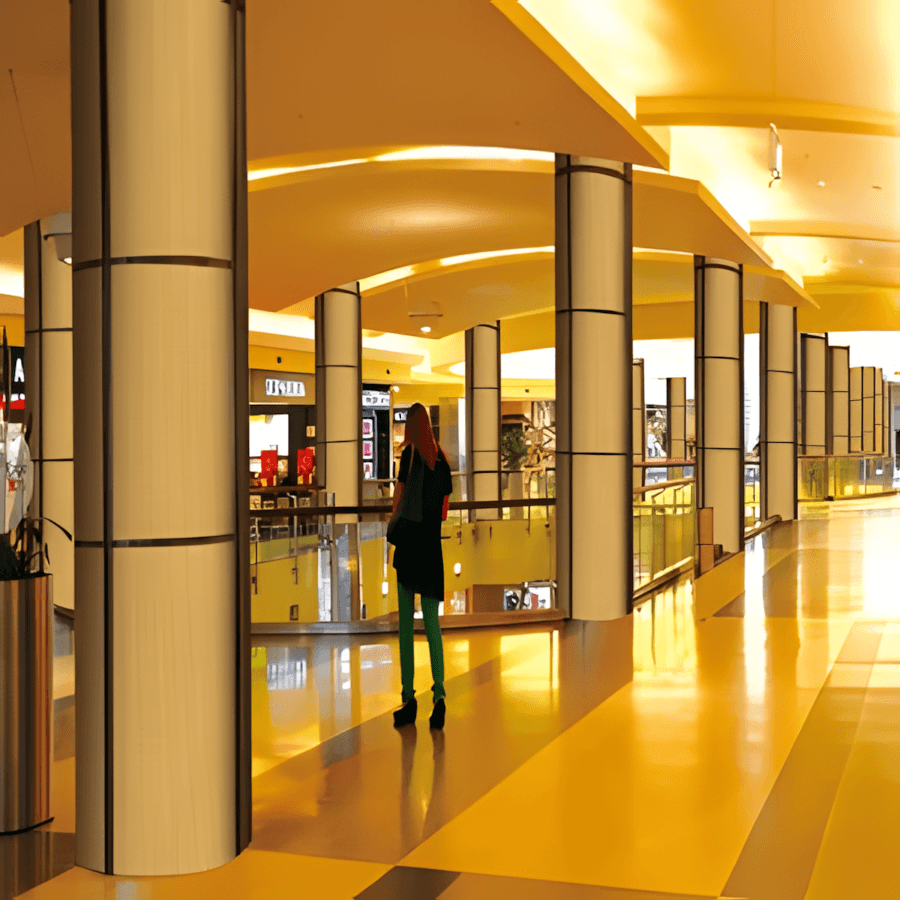
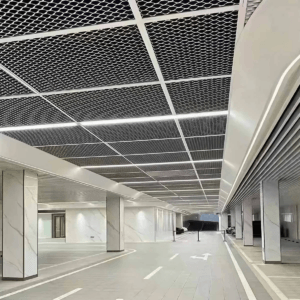
Facade / Ceiling / Romm Divider / BakodAng mga Perforated Metal panel ay muling nagbibigay ng kahulugan sa modernong arkitektura sa pamamagitan ng tuluy-tuloy na pagsasanib ng function at aesthetics. Ang kanilang precision-engineered pattern ay naghahatid ng maraming benepisyo sa performance habang lumilikha ng mga kapansin-pansing visual na pagkakakilanlan.
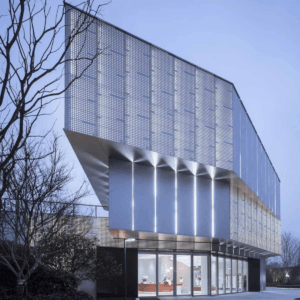
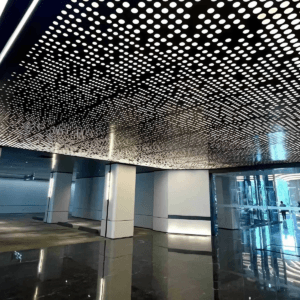
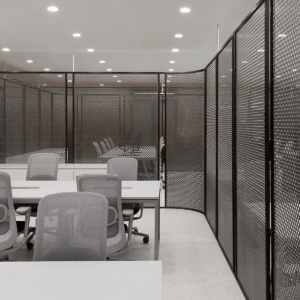
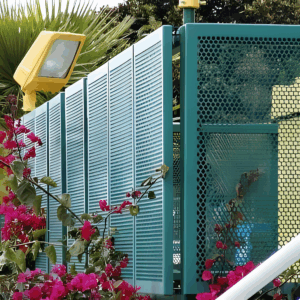
Nagbibigay ang mga panel na ito ng matatalinong solusyon para sa:
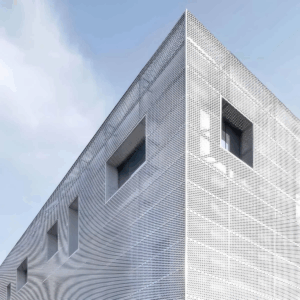
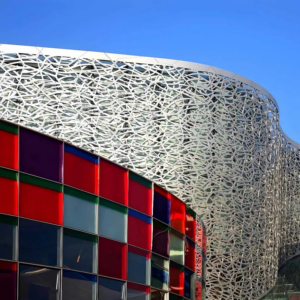
Mga Facade ng Gusali – pinagsasama ang solar shading sa architectural expression
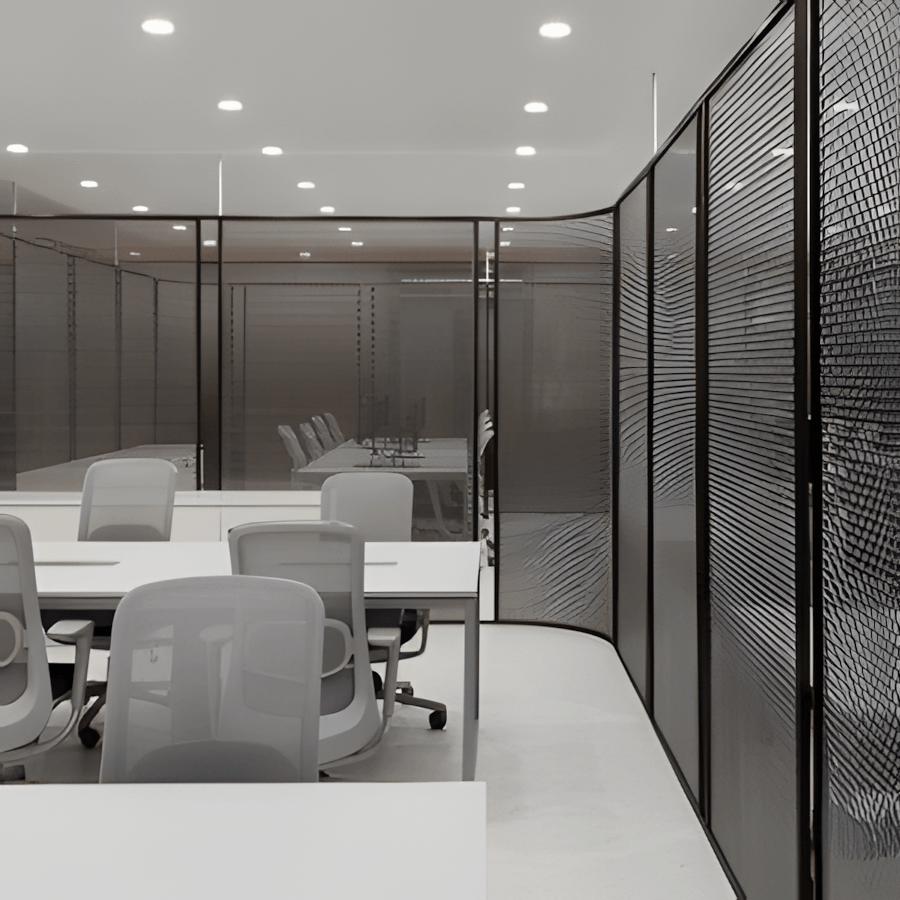
Mga Partisyon sa Panloob – pagpapagana ng spatial division na may pinapanatili na visual connectivity
Mga Acoustic Wall – pagbabawas ng polusyon sa ingay habang pinapahusay ang apela sa disenyo
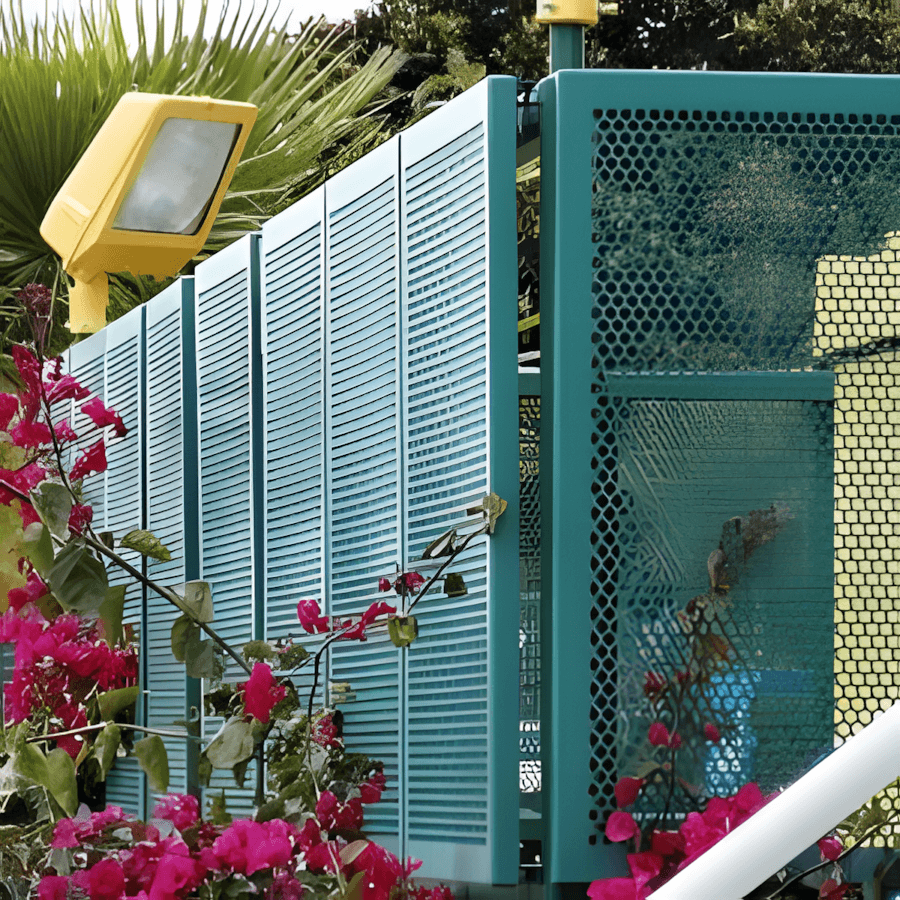
Mga Screen ng Balkonahe – tinitiyak ang pagkapribado nang hindi nakompromiso ang bentilasyon
Mga Sunshading System – pagkontrol ng solar heat gain habang lumilikha ng mga dynamic na pattern ng liwanag
Ang mga strategic perforations ay nag-o-optimize ng natural na bentilasyon, namamahala sa pagpasok ng sikat ng araw, at tinitiyak ang privacy - lahat habang pinapanatili ang integridad ng istruktura. Tinukoy ng mga arkitekto sa buong mundo ang mga panel na ito para sa mga gusaling pinaandar ng pagganap na naghahanap ng parehong sustainability at kahusayan sa disenyo. Mula sa corporate headquarters hanggang sa mga pasilidad na pang-edukasyon, binabago ng butas-butas na metal ang mga ordinaryong ibabaw tungo sa mga multifunctional na elemento ng arkitektura na nagpapatuloy sa pagsubok ng panahon.
Mga pagtutukoy ng Perforated Metal Panel
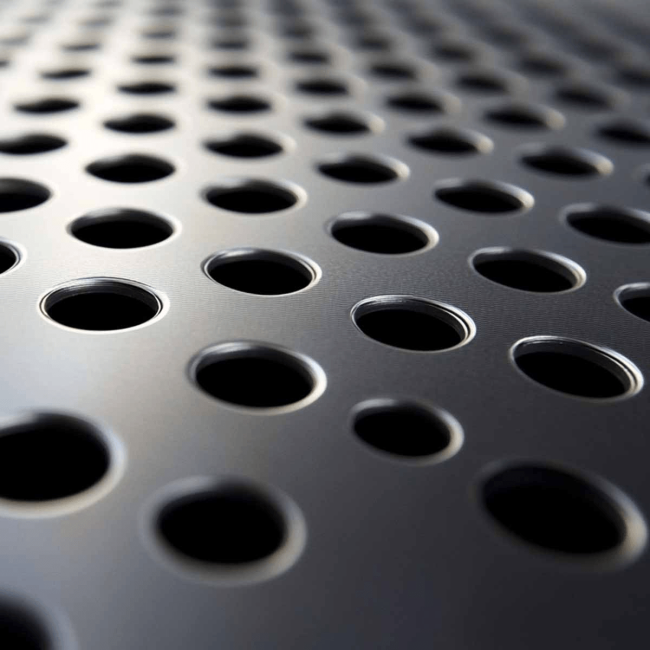
| Pangalan ng Produkto | Perforated Metal Panel / Sheet |
| Pamantayan | GB/T 24001-2016, GB/T 19001-2016, ASTM, JIS, EN |
| kapal | 0.5 mm – 5.0 mm |
| Lapad | 300 mm – 1850 mm, Na-customize |
| Ang haba | 300 mm – 3000 mm, Na-customize |
| Pagpaparaya | ±1% |
| Mga materyales | Hindi kinakalawang na Asero, Aluminyo, Carbon Steel |
| Pamamaraan | Cold Rolled |
| Tapusin | Powder Coating, PVDF Coating, Anodized Finish |
| Mga kulay | Champagne, Black, Blue, Silver, Gold, Rose Gold, atbp. |
| gilid | Mill, Slit |
| Mga aplikasyon | Ceiling, Wall Panel, Facade, Interior Dekorasyon |
| Pag-iimpake | PVC + Waterproof Paper + Wooden Package |
Mga Pagpipilian sa Pattern
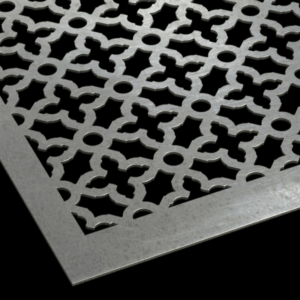
Ang mga perforated metal panel ay nag-aalok ng malawak na pattern ng versatility para sa mga proyektong arkitektura. Nakakamit nila ang perpektong balanse sa pagitan ng pagganap na pagganap at visual aesthetics. Pumili mula sa mga simpleng geometric na hugis hanggang sa masalimuot na mga custom na disenyo. Nagbibigay kami ng mga pinasadyang solusyon sa panel para sa lahat ng arkitektura at panloob na aplikasyon. Tuklasin ang walang katapusang mga posibilidad sa aming gallery ng inspirasyon sa pattern. Hanapin ang perpektong istilo ng pagbubutas upang mapataas ang iyong pananaw sa disenyo.


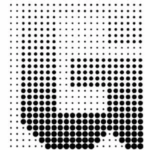
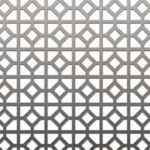
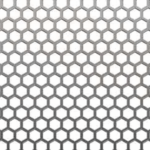
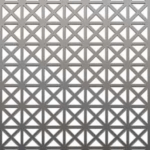
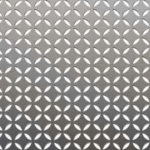
Mga Hugis ng Hole
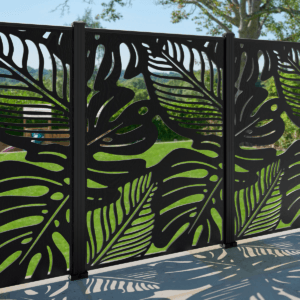
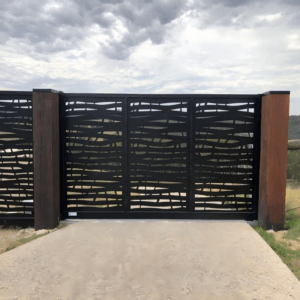
Ang mga bilog, parisukat, o may slotted na mga butas ay pinakakaraniwan. Pinapaboran din ng mga kliyente ang mga pasadyang disenyo. Ang isang bakod ay dapat magpakita ng isang espesyal na istilo. Dapat manatiling epektibo ang bentilasyon. Ang plano sa disenyo ay maaaring makamit ang parehong mga layunin.
Mga Sukat ng Butas at Spacing
Ang diameter at espasyo ay nakakaapekto sa liwanag, hangin, at ingay. Ang mga feature na ito ay nagbibigay-daan sa mga panel na matugunan ang mga pangangailangan ng anumang lugar. Tinutupad nila ang mga kinakailangan sa pag-andar at pandekorasyon.
Mga Custom na Disenyo
Gabay sa direksyon ng tunog ang spacing at diameter. Pinamamahalaan nila ang paggalaw ng hangin at sikat ng araw. Iba't ibang mga bakanteng angkop sa mga butas-butas na metal panel kahit saan. Gumaganap sila nang mahusay sa praktikal at aesthetically.
Acoustic Optimization
Pinapabuti ng disenyo ng pattern ang kalidad ng tunog. Inaayos nito ang laki ng nakalantad na bukas na lugar. Pinapataas nito ang pagsipsip ng tunog. Ang mga espasyo ay nagiging mas komportable at tahimik.
Visual na Epekto
Nagdaragdag ang mga pattern ng dynamic na texture sa loob ng bahay. Lumilikha sila ng mga detalyadong epekto ng anino. Ang matalinong disenyo ay ginagawang gumagana at kaakit-akit ang mga bakod. Ang diskarteng ito ay epektibong nagpapaganda ng mga panel.
Kahusayan ng Materyal
Ang mainam na pamamahagi ng butas ay nakakabawas ng materyal na basura. Pinapanatili nitong katanggap-tanggap ang lakas ng materyal. Ang mga panel ay nagpapanatili ng pagganap ng istruktura. Nagiging posible ang mahusay at berdeng mga solusyon sa disenyo.
Mga Proseso ng Paggawa ng Perforated Metal Panel
High-Precision Metal Fabrication
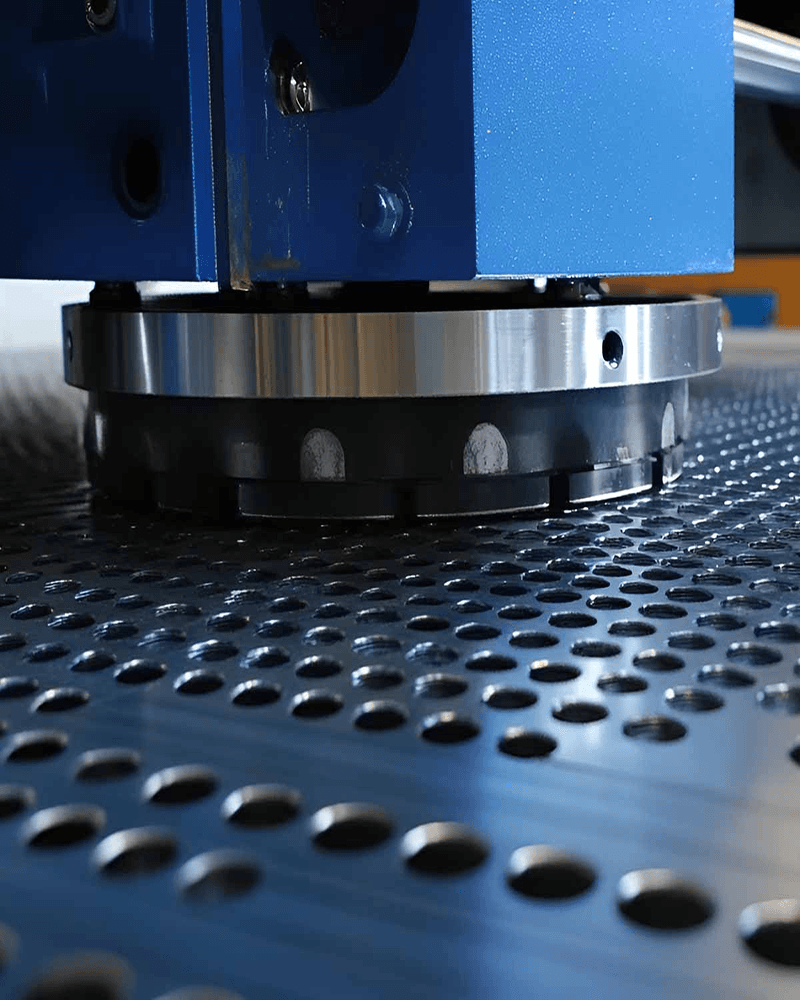
Ang mga butas na metal panel ay nangangailangan ng eksaktong, sopistikadong pamamaraan. Ang mga hakbang na ito ay nagpapatunay ng kanilang lakas at pagkakapareho. Pinapagana din nila ang pagiging malikhain sa pagbagay. Tinatatak ng proseso ang mga solidong sheet ng metal. Lumilikha ito ng mga pandekorasyon o functional na mga panel. Ang bawat panel ay nagpapakita ng iba't ibang mga hugis at tumpak na mga butas.
Pagpili ng Materyal
Ang tamang pagpili ng materyal ay nagsisimula sa proseso. Kasama sa mga karaniwang materyales ang aluminyo at hindi kinakalawang na asero. Ang galvanized na bakal at tanso ay mga pagpipilian din. Ang mga materyales ay nag-iiba sa lakas at paglaban sa kaagnasan. Nag-aalok ang bawat isa ng natatanging aesthetic para sa layunin nito.
Paghahanda ng Sheet
Ang mga manggagawa ay naglilinis ng mga piraso ng metal nang lubusan. Sila rin ay parisukat at pinutol ang mga piraso ayon sa mga pagtutukoy. Ang pre-sizing na ito ay lumilikha ng isang makinis na ibabaw. Tinitiyak ng mahusay na paghahanda ang mataas na kalidad na mga resulta. Pinapayagan nito ang tumpak na laki at pagkakalagay ng butas.
Proseso ng Pagbubutas
Specialized machinery makes the perforations. It stamps holes into each metal sheet. This step forms the intended pattern exactly. The equipment keeps hole size consistent. This defines the panel’s function and visual style.
Deburring and Finishing
The process removes sharp edges and burrs. This step ensures safety and improves quality. Workers then treat sheets for better durability. They may apply anodized or powder coatings. PVDF or polytop coatings are also common. These finishes enhance appearance and performance.
Quality Control
Inspectors check each panel thoroughly. They verify all measurements and hole spacing. They also examine the surface finish closely. This step minimizes product defects. It ensures panels meet all required specifications.
Cutting and Forming
Pinutol ng mga tagagawa ang mga sheet sa mga partikular na disenyo. Hinuhubog nila ang mga ito para sa mga gamit sa arkitektura. Kasama sa mga pamamaraan ang baluktot, hinang, at pag-frame. Lumilikha ang mga pamamaraang ito ng mga pasadyang tampok. Ang mga pangwakas na produkto ay nagsisilbi ng maraming gamit at aesthetic na layunin.
Mga pagsusuri
Wala pang mga review.