

Description
What Is Welded Wire Mesh?
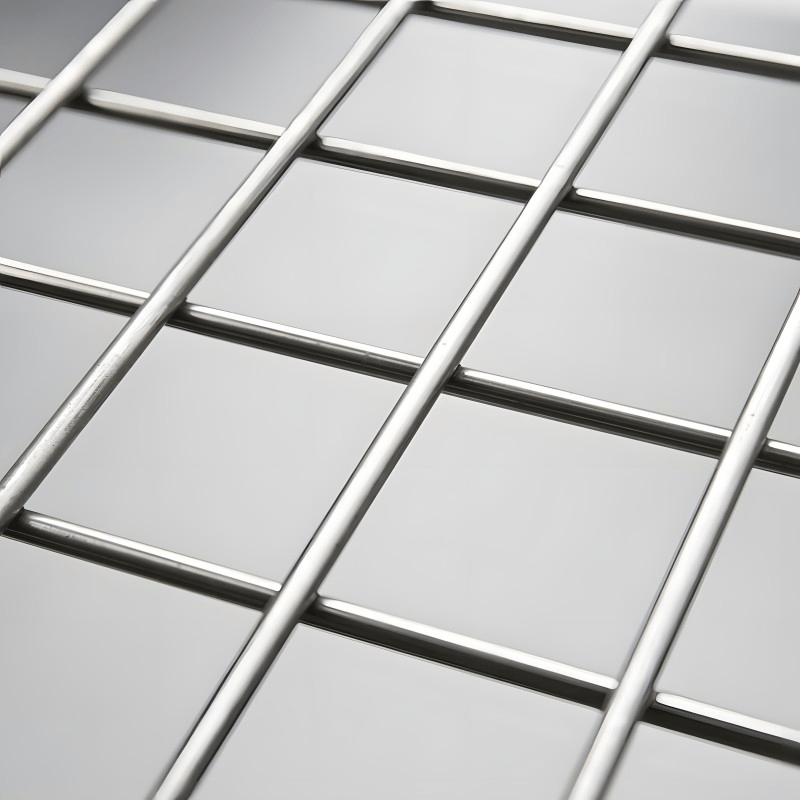
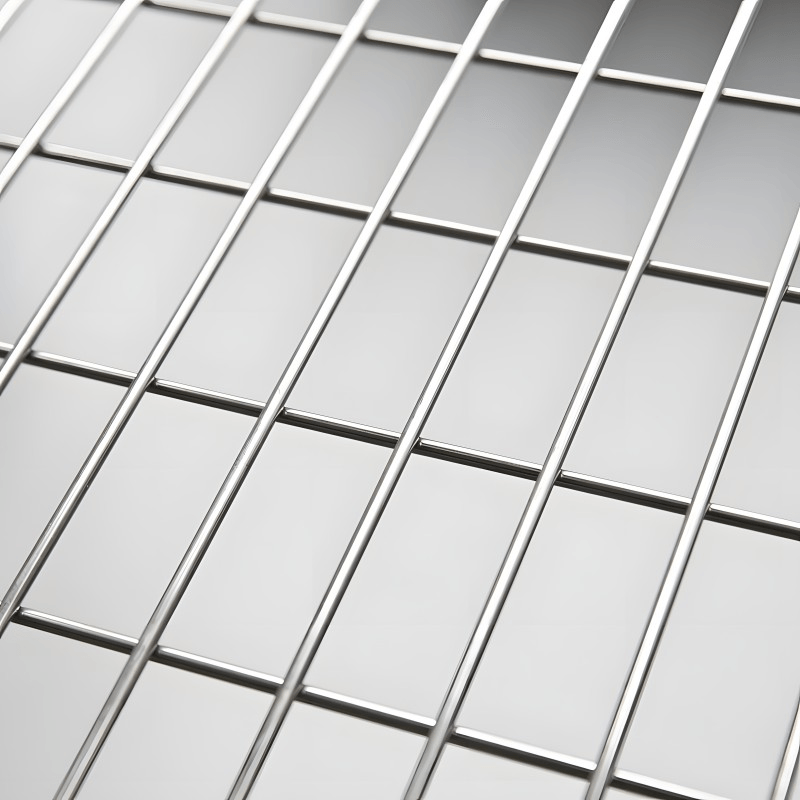
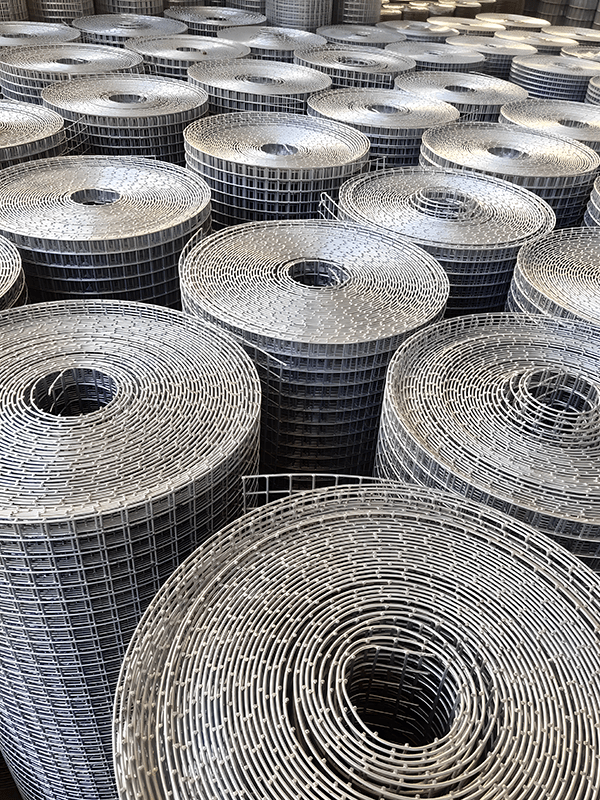
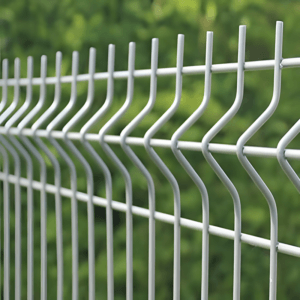
ABXMetal produces welded wire mesh — often called welded wire fabric — as an engineered metal grid. ABXMetal places wires perpendicular to one another and fuses them at every intersection using advanced resistance welding. This permanent fusion locks the wire intersections into a rigid, non-shifting structure. The structure holds its precise geometric shape even under demanding loads.
ABXMetal designs industrial-grade welded mesh for long service life and structural integrity. It delivers better stability than ordinary woven mesh alternatives. Professionals in architecture, industry and agriculture use these panels for heavy-duty infill panels, machine safety guards and perimeter security enclosures. ABX custom manufactures every specification to order, so you get exact dimensions and configurations for your project.
Specifications
| Item | Range |
| Mesh aperture | 50 mm x 200 mm |
| Wire diameter | 4.0 mm or 5.0 mm |
| Panel height | 630 mm to 2430 mm |
| Panel width | 2500 mm or 3000 mm |
| Fold count | 2 folds (630-1430 mm), 3 folds (1530-1930 mm), 4 folds (2030-2430 mm) |
| Fold pitch | 300 mm to 400 mm |
| Zinc coating | 80 g/m2 to 120 g/m2 (ASTM A123, ISO 1461) |
| PVC coat | 0.8 mm to 1.0 mm |
| Colors | RAL 6005, RAL 9005, other RAL on request |
| Post | 60 x 60 mm square, 2 mm wall |
| Post centres | 2500 mm |
What Is the Difference Between Wire Mesh and Welded Wire Mesh?
The primary distinction lies in how the wire intersections are joined and how the grid behaves under physical stress:
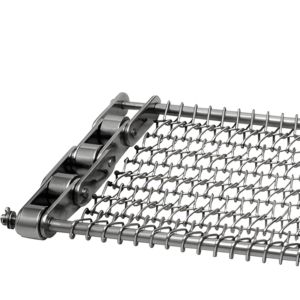
Woven Wire Mesh: Created on industrial looms by interlacing warp and shurt wires in an over-and-under pattern (similar to fabric weaving). While flexible and ideal for filtration or sizing, the individual wires can shift slightly under heavy loads.
Welded Wire Mesh: Constructed by placing perpendicular wires and permanently fusing them at every single intersection through resistance welding. This locks the grid into a rigid, non-shifting structure that provides superior structural strength and dimensional stability.
What Is the Strongest Wire Mesh?
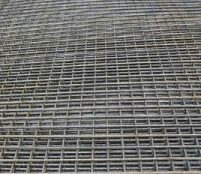
A combination of wire diameter (gauge), aperture opening size, and metallurgical composition determines the structural strength of a wire mesh.
Thicker Gauges: Heavy-gauge welded mesh (utilizing larger wire diameters up to $0.375$ inches) inherently handles greater impact and load-bearing forces than fine mesh.
Welded vs. Woven: Because welded mesh features fused intersections that prevent wire shifting, it generally offers superior rigid load distribution compared to standard woven grids.
Material Strength: Stainless Steel and specialized high-tensile alloy options provide the highest structural integrity, corrosion resistance, and load capacity for demanding industrial environments.
Finishes of Welded Wire Mesh
Trusted finishing partners can apply various secondary finishing processes to enhance environmental corrosion resistance or aesthetic appeal.
Hot-Dip Galvanizing (Galv-After): Submerging completed mesh panels into molten zinc creates a thick, sacrificial protective layer across all welded surfaces.
Powder Coating: A durable, cost-effective method to apply custom colors to the wire fabric.
Decorative Plating: Surface applications of brass, nickel, chrome, or copper (recommended strictly for interior architectural applications).


Reviews
There are no reviews yet.